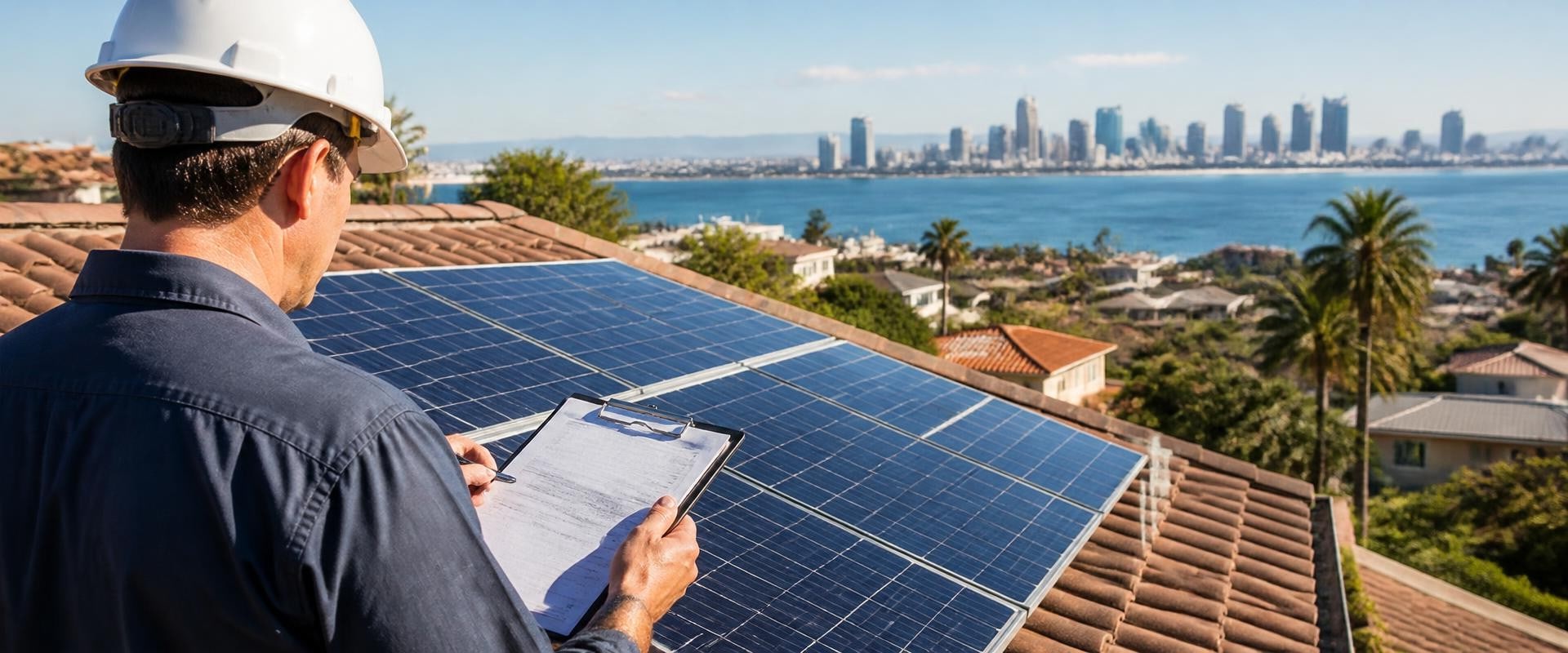
As the landscape of renewable energy continues to evolve, San Diego Solar News is dedicated to keeping our community informed about the latest developments in solar energy and net metering. The upcoming legislation affecting net metering is a critical topic for homeowners and businesses alike, as it has the potential to reshape how we harness and benefit from solar power in San Diego. With an increasing emphasis on sustainability and energy independence, understanding these legislative changes is essential for anyone invested in solar energy.In this article, we will explore the anticipated legislative changes that could impact net metering policies, shedding light on what these changes mean for current and prospective solar energy users in San Diego. We will delve into the implications of these legislative actions and how they may influence not only the financial aspects of solar energy adoption but also the broader goals of reducing carbon footprints and promoting renewable energy sources.Stay tuned as we break down the upcoming legislation affecting net metering, providing you with insights and guidance to navigate this ever-changing landscape.As discussions regarding upcoming legislation affecting net metering unfold, it is crucial to understand the current landscape in San Diego.
Net metering allows homeowners and businesses with solar energy systems to receive credits for the excess electricity they generate and send back to the grid. This mechanism has been instrumental in promoting solar energy adoption in the region, benefiting both consumers and the environment.
San Diego Solar News
is dedicated to keeping the community informed about these developments, as staying updated on legislative changes can significantly influence the financial viability of solar investments.Several legislative proposals are currently on the table that could reshape net metering policies in San Diego. One of the key proposals aims to modify the compensation rates for excess energy fed back into the grid.If passed, this change could result in lower credits for solar users, which would directly affect their return on investment. For instance, if a homeowner currently receives a dollar-for-dollar credit for every kilowatt-hour sent back to the grid, a reduction to 75 cents could make solar installations less attractive financially.Moreover, these changes may impact various financial incentives available to both residential and commercial solar users. Currently, homeowners can benefit from rebates and tax credits when installing solar systems. However, if net metering compensation rates decrease, legislators might also reconsider these incentives to ensure that solar remains an appealing option.
The elimination or reduction of these incentives could deter potential investors, leading to a slowdown in solar adoption and negatively impacting the local clean energy economy.An additional area of concern is how proposed legislative changes could influence battery storage options. As energy independence becomes increasingly important for both residential and commercial users, the ability to store excess solar energy for later use is crucial. Legislative shifts that diminish the attractiveness of net metering may push more homeowners and businesses towards investing in battery storage systems. For example, if net metering credits are significantly reduced, consumers might opt for battery systems to maximize their self-consumption of solar energy, rather than relying on grid compensation.
This shift could lead to increased demand for battery storage solutions, paving the way for innovations in this sector.However, proposed changes to net metering policies are not without opposition. Advocates for maintaining current net metering structures argue that these policies are essential for encouraging renewable energy growth and achieving statewide climate goals. They assert that reducing compensation rates could disincentivize solar installations and lead to job losses within the renewable energy sector. On the other hand, proponents of change argue that current net metering policies disproportionately benefit wealthier households who can afford solar installations while placing a financial burden on non-solar customers who pay higher rates to subsidize these credits.
This argument emphasizes the need for a more equitable approach to energy policy that does not unfairly disadvantage those without solar systems.As San Diego navigates these discussions surrounding upcoming legislation affecting net metering, it is vital for residents and businesses alike to remain engaged and informed. Understanding the implications of legislative proposals allows stakeholders to advocate effectively for their interests while also considering the broader impacts on community energy goals.
San Diego Solar News
will continue to provide updates on this evolving situation as more information becomes available.Impact on Incentives and Financial Benefits
As legislative changes regarding net metering are proposed, it is crucial for both homeowners and businesses in San Diego to understand how these modifications may impact the financial incentives associated with solar energy. Currently, net metering allows solar energy users to receive credits for the excess electricity they generate and feed back into the grid.This system plays a significant role in making solar investments financially viable by providing a return on investment through reduced utility bills.However, with upcoming legislation, there could be adjustments to these incentives that may either enhance or diminish the financial benefits available to solar energy users. For instance, if proposed changes lead to a reduction in credits or introduce new fees, this could significantly alter the economic landscape for potential solar adopters. Homeowners considering solar panels would need to weigh these factors carefully as they assess the long-term savings associated with their investment.Moreover, businesses looking to invest in solar energy may also face changes in the financial framework that supports their decisions. The potential for altered incentive structures could influence the overall market for solar installations, affecting everything from project financing to installation costs.
As these legislative changes unfold, staying informed through sources like San Diego Solar News will be essential for understanding the implications for both residential and commercial solar users.
Current Status of Net Metering in San Diego
The current state of net metering in San Diego is a critical aspect of the region's solar energy landscape. At its core, net metering allows homeowners and businesses that generate their own solar energy to receive credits for the excess energy they produce and send back to the grid. This framework not only incentivizes the adoption of solar technology but also plays a significant role in reducing electricity costs for users.San Diego Solar News
is committed to keeping the community informed about these vital updates, ensuring that both potential and existing solar energy users understand the benefits and implications of net metering.Under the current net metering policies, solar energy users can offset their electricity consumption with the energy they generate, effectively allowing them to lower their utility bills.For many residents in San Diego, this system has made solar investments more financially viable, contributing to the growth of renewable energy adoption in the area. Additionally, net metering supports local sustainability goals by promoting clean energy solutions. Understanding this framework is crucial for homeowners and businesses considering solar energy investments, as it directly influences both financial savings and environmental impact.As we look forward, awareness of any upcoming changes to net metering legislation is essential.
San Diego Solar News
will continue to provide updates on how these developments may affect the current framework and what they could mean for future solar energy initiatives in the region.Community Response and Future Outlook
As the landscape of net metering continues to evolve, San Diego Solar News has been closely monitoring public sentiment regarding the proposed legislative changes.Community response has been a mix of optimism and concern, particularly among homeowners and businesses that rely on solar energy. Many residents recognize the potential benefits of these changes, including increased incentives for renewable energy investments and the possibility of more equitable compensation for excess energy produced. However, there are also fears that the proposed adjustments may lead to higher costs or reduced savings for those already utilizing solar systems.Public forums and discussions have revealed a strong desire for transparency and engagement from lawmakers. Many community members are advocating for more inclusive decision-making processes that take into account the voices of all stakeholders involved in net metering.
This push for civic involvement underscores the importance of understanding how legislative developments will impact not just current solar users but also future adopters who are considering switching to renewable energy sources.Looking ahead, speculation about future developments in net metering suggests a potential shift toward more sustainable practices and policies. As renewable energy technology advances and societal attitudes towards clean energy continue to shift, it is likely that legislation will adapt accordingly. Stakeholders are encouraged to stay informed through platforms like San Diego Solar News, which aims to provide timely updates and insights on these critical changes as they unfold.
Proposed Legislative Changes
As part of the ongoing discussions surrounding renewable energy in California, several proposed legislative changes have emerged that directly impact net metering in San Diego. These changes aim to refine the existing framework, addressing the needs of both solar energy users and the utility companies that serve them.One key piece of legislation currently under consideration is aimed at modifying the compensation structure for excess energy generated by solar panels.Under the proposed changes, homeowners and businesses may see a shift in how they are credited for the energy they contribute back to the grid. This could potentially result in lower financial returns for solar users, making it crucial for stakeholders to stay informed.Additionally, there are proposals focused on increasing transparency regarding net metering policies. This includes requirements for utilities to provide clearer information about how net metering works and how adjustments in compensation rates will be communicated to customers. Such transparency is vital, as it allows homeowners and businesses to make informed decisions about their investments in solar energy.San Diego Solar News is committed to keeping the community updated on these legislative developments, as understanding the nuances of these proposals can significantly affect the viability and attractiveness of solar investments.
As the situation evolves, it is essential for stakeholders in San Diego to engage with these discussions and advocate for policies that support sustainable energy practices.
Battery Storage Options and Their Future
As the landscape of solar energy continues to evolve, upcoming legislation is set to play a pivotal role in shaping the future of battery storage solutions for solar energy systems in San Diego. With the state actively considering new laws that could influence the deployment and integration of battery storage technology, it is crucial for homeowners and businesses alike to stay informed.San Diego Solar News
is committed to providing timely updates on these developments, ensuring that our community understands the implications for solar energy investments.The integration of battery storage systems allows solar energy users to store excess energy generated during peak sunlight hours for later use, thereby enhancing energy independence and reducing reliance on the grid. Upcoming legislation may include incentives or regulatory changes that promote the adoption of battery storage, making these systems more accessible and affordable for consumers.Additionally, such laws could dictate safety standards, installation practices, and grid connectivity requirements, all of which are essential for the seamless integration of battery storage with existing solar setups.Furthermore, as more solar users consider battery storage solutions, understanding potential legislative changes will be vital in maximizing their return on investment. The interplay between net metering policies and battery storage incentives could greatly influence how solar energy systems are designed and operated in the future.Ultimately, the future of battery storage in San Diego will depend not only on technological advancements but also on the regulatory environment shaped by upcoming laws. By keeping abreast of these changes through platforms like San Diego Solar News, stakeholders can make informed decisions that align with both their energy needs and environmental goals.In conclusion, understanding the upcoming legislation affecting net metering in San Diego is crucial for both homeowners and businesses looking to invest in solar energy. We have explored the current state of net metering, proposed legislative changes, and their potential impacts on incentives and financial benefits, as well as the future of battery storage options.
It is clear that these developments can significantly influence solar energy decisions.We encourage our readers to stay informed about these legislative changes, as they will directly affect your ability to harness solar energy effectively. For ongoing updates and insights into how these developments will impact your solar investments, be sure to follow San Diego Solar News.