Welcome to San Diego Solar News, your go-to source for the latest updates and insights on solar energy developments in the region. In recent years, the conversation around solar energy has intensified, particularly concerning net metering—a crucial policy that affects how solar energy users are compensated for the electricity they generate. Understanding how net metering works in practice is essential for homeowners and businesses alike, as it directly impacts their energy bills and the overall adoption of renewable energy sources. In this article, we will delve into the intricacies of net metering in San Diego, including recent updates that could reshape its landscape. We aim to clarify how net metering operates, what changes have been implemented, and the potential implications for residents considering solar energy solutions.
As we navigate through the current net metering policies, our goal is to equip you with the knowledge needed to make informed decisions about your energy future. Stay tuned as we unpack these developments and their significance for the San Diego community, providing you with all the information you need to understand this vital aspect of solar energy policy. The growing interest in solar energy in San Diego has made net metering a critical component for homeowners and businesses looking to harness the sun's power. As reported by San Diego Solar News, net metering allows solar energy users to receive credits for the excess power they generate and feed back into the grid. This process not only encourages the adoption of renewable energy but also serves as an economic incentive, significantly lowering electricity bills for those who invest in solar technology. At its core, net metering works by measuring the electricity that solar energy systems produce against the amount of energy consumed by the user. For instance, if a homeowner generates more electricity than they use during the day, the surplus energy is sent to the grid, and they receive credits on their utility bill.
This can result in substantial savings; a homeowner with a solar system that generates a surplus of energy might see their monthly bill reduced to almost zero, depending on their consumption and the amount of energy produced. Recent updates to net metering policies in San Diego have introduced changes to the rates and structures that influence how these credits are calculated. For example, shifts in the compensation rates for excess energy fed back into the grid could impact the overall savings potential for solar users. These updates are essential for homeowners and businesses considering solar investments, as they directly affect return on investment calculations and long-term financial planning. In addition to net metering, state incentives and rebates play a pivotal role in encouraging solar adoption. Programs offered by California state authorities can significantly reduce upfront costs for solar installations, making it more feasible for residents to go solar.
These incentives often complement net metering benefits, allowing users not only to save money through rebates but also to benefit from reduced electricity bills over time. Moreover, integrating battery storage options with These incentives often complement net metering benefits, allowing users not only to save money through rebates but also to benefit from reduced electricity bills over time. Moreover, integrating battery storage options with net metering enhances energy independence and efficiency. Battery storage systems allow homeowners to store excess energy generated during peak sunlight hours for use during the evening or on cloudy days. This combination maximizes the utility of solar panels and further diminishes reliance on traditional grid power, providing an additional layer of savings and sustainability. However, there are potential challenges and opposition regarding changes to net metering. Some critics argue that alterations to compensation rates could dissuade new solar investments and disproportionately impact lower-income households who may not have access to solar technology.
These differing opinions highlight the complex nature of energy policy and underscore the importance of remaining informed about local updates and initiatives. For ongoing developments and insights into these issues, San Diego Solar News remains a vital resource for residents seeking clarity on how these policies affect their decisions surrounding solar energy investments.
Recent Changes in San Diego's Net Metering Policies
In recent months, there have been significant legislative and regulatory updates affecting net metering policies in San Diego, which are crucial for homeowners and businesses considering solar energy investments. These changes have been closely monitored by resources like San Diego Solar News, which provides timely insights into how these updates impact local residents and enterprises. One of the most notable shifts has been the introduction of new guidelines aimed at improving the accessibility and affordability of solar energy systems. This includes adjustments to the compensation rates for excess energy produced by residential solar panels, which will influence how homeowners calculate their potential savings and return on investment. Additionally, San Diego has seen discussions around the possibility of restructuring the net metering framework to better reflect current energy market conditions and promote fair compensation for solar energy contributions to the grid.These potential changes are part of a broader effort to encourage renewable energy usage while ensuring sustainability in energy distribution. As these developments unfold, staying informed through platforms like San Diego Solar News will be essential for individuals and businesses looking to navigate the evolving landscape of solar policies and incentives.
How Net Metering Works
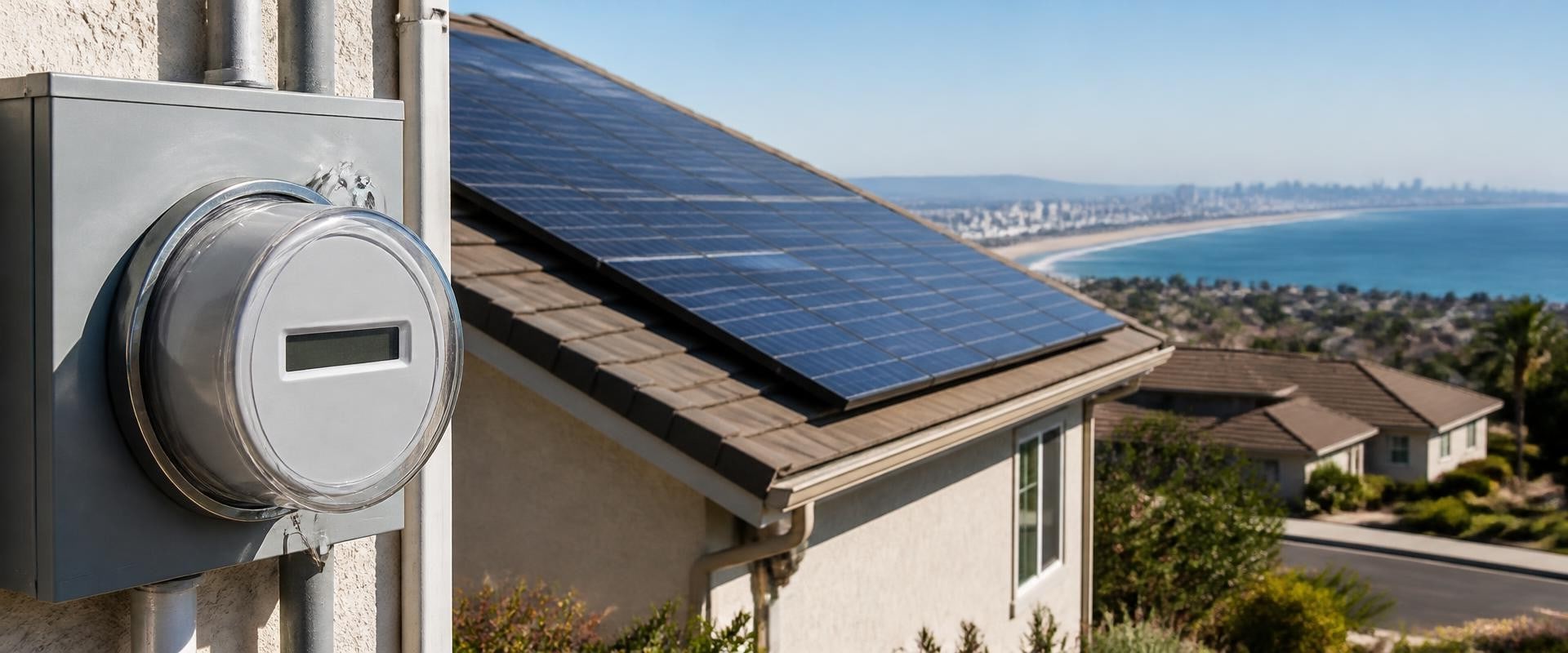
Net metering is a vital mechanism that allows solar energy users to maximize the benefits of their solar panel installations. In essence, it functions as a billing arrangement between the solar energy system owner and their utility provider. When a homeowner or business in San Diego generates more electricity than they consume, the excess energy is fed back into the grid. This is where net metering comes into play, allowing these users to receive credits on their utility bills for the energy they contribute. Under typical net metering agreements, utilities measure the amount of electricity generated by the solar system and compare it to the amount consumed from the grid.If a solar system produces surplus energy, the utility credits the account of the solar user at a predetermined rate. This credit can then be used to offset future electricity costs when solar production is lower, such as during nighttime or cloudy days. The fundamental principle behind this system is to ensure that solar energy users are compensated fairly for their contribution to the grid. In San Diego, where sunshine is abundant, this arrangement incentivizes more residents and businesses to invest in solar technologies. Additionally, net metering helps promote sustainable energy practices and reduces reliance on fossil fuels. Recent updates in net metering policies may affect how these billing arrangements work and what credit systems are implemented.
It is crucial for homeowners and businesses to stay informed about these changes through resources like San Diego Solar News, which provides ongoing updates about solar policies and incentives that can impact their solar energy investments.
Community Perspectives on Net Metering
The conversation surrounding net metering in San Diego is increasingly vibrant, especially as residents and businesses seek to maximize their solar energy investments. As reported by San Diego Solar News, there is a growing interest in understanding how net metering works in practice, which has led to diverse opinions within the community. Many homeowners appreciate net metering for its potential to offset energy costs and promote renewable energy usage. However, some community members express concerns regarding the sustainability of current policies and their long-term impacts on both individual investors and the broader energy landscape. One of the primary concerns among residents revolves around the perceived inequity of the net metering system.Critics argue that while solar panel owners benefit from reduced electricity bills, non-solar customers may face higher rates to compensate for the loss of revenue that utilities experience. This has led to a debate about fairness and whether the current policies adequately address the needs of all consumers. Additionally, some community members worry about the stability of net metering as a policy, fearing potential changes that could diminish its benefits. Despite these concerns, there is also a strong sentiment of optimism within the community. Many believe that with continued advocacy and informed discussions—such as those facilitated by resources like San Diego Solar News—policies can evolve to better serve all stakeholders involved.
Engaging in these conversations is essential for fostering a balanced approach to solar energy adoption and ensuring that net metering remains a viable option for future generations.
Incentives for Solar Energy Adoption
The transition to solar energy in San Diego is not solely reliant on net metering, but is significantly enhanced by various incentives that make solar installations more accessible and appealing for both homeowners and businesses. San Diego Solar News serves as a vital resource for staying updated on these incentives, which play a crucial role in promoting solar energy adoption. One of the primary incentives available is the Federal Investment Tax Credit (ITC), which allows homeowners and businesses to deduct a substantial percentage of their solar installation costs from their federal taxes. This incentive dramatically reduces the upfront financial burden, making it easier for individuals to invest in solar technology. Additionally, California has its own set of incentives, such as the California Solar Initiative, which offers cash rebates for solar installations based on the system's performance. This not only supports the initial investment but also encourages high-quality installations that maximize energy production. Another important aspect to consider is local financing options like Property Assessed Clean Energy (PACE) programs.These programs allow homeowners to finance their solar systems through property taxes, spreading out payments over time while also potentially increasing property value. Moreover, many utility companies offer incentives or rebates for residential and commercial solar installations, which can further reduce costs. Staying informed about these opportunities is essential, and resources like San Diego Solar News provide ongoing updates and insights into how these incentives can affect decisions around solar energy investments. In summary, the combination of net metering with these various state and federal incentives creates a robust framework that supports solar energy adoption in San Diego, making it more feasible for residents and businesses to go solar.
The Role of Battery Storage
As the interest in solar energy continues to grow in San Diego, understanding how battery storage systems integrate with net metering becomes crucial for homeowners and businesses.Battery storage
enables users to store excess solar energy generated during the day, which can then be used during peak hours or when the sun is not shining. This functionality not only maximizes the benefits of solar energy but also enhances the effectiveness of net metering.When a solar energy system generates more electricity than is consumed, net metering allows for this surplus energy to be fed back into the grid.In return, solar system owners receive credits on their utility bills. However, without battery storage, these credits may not always translate into savings during high-demand periods when electricity prices are elevated. This is where battery storage shines. By pairing battery storage with net metering, users can store the excess energy generated during sunny days and utilize it during times of high consumption or when electricity rates are higher. This setup not only leads to reduced energy costs but also provides a backup power source during outages, adding an extra layer of reliability. Moreover, recent updates and policy changes around net metering in San Diego have highlighted the importance of battery storage systems.
With evolving incentives and regulations, homeowners are encouraged to consider these systems as part of their solar investment strategy. For ongoing updates and insights into how these changes affect local residents, resources like San Diego Solar News provide valuable information. In summary, combining battery storage with net metering offers a powerful solution for maximizing the benefits of solar energy in San Diego. This synergy not only enhances energy independence but also aligns with the state's broader goals for sustainable energy use.
Recent Changes in San Diego's Net Metering Policies
Recent developments in net metering policies in San Diego have sparked interest among homeowners and businesses considering solar energy investments. As reported by San Diego Solar News, local legislators have been actively reviewing and modifying regulations to enhance the appeal of solar adoption while ensuring fair compensation for energy produced by solar systems. One significant change has been the introduction of new legislative measures aimed at improving the net metering framework.These updates seek to address concerns regarding compensation rates for excess energy fed back into the grid, as well as ensuring that the benefits of net metering are accessible to a broader range of residents, including those with lower incomes. Additionally, regulatory changes have been implemented to streamline the interconnection process, making it easier for solar system owners to connect their systems to the grid and begin benefiting from net metering. These updates not only simplify the process but also aim to reduce the backlog of applications that has historically plagued the system. It is essential for residents and businesses in San Diego to stay informed about these changes, as they can significantly influence decisions related to solar energy investments. Regular updates and insights can be found on platforms like San Diego Solar News, which provide valuable information on how these policies affect local stakeholders.
Recent Changes in San Diego's Net Metering Policies
In recent months, San Diego has seen significant developments in its net metering policies, reflecting the growing interest in solar energy adoption among homeowners and businesses. As reported by San Diego Solar News, these changes aim to create a more equitable framework for solar energy users while addressing concerns about the sustainability of the net metering system.One of the most noteworthy updates involves adjustments to the compensation rates for excess energy produced by solar systems, which are set to affect new installations moving forward. Additionally, regulatory bodies have been evaluating the impact of these changes on low-income households and small businesses, ensuring that net metering remains accessible and beneficial across diverse communities. This ongoing assessment underscores the importance of staying informed about local policies, as they may influence decisions regarding solar investments. For more detailed insights on how these updates may affect you, San Diego Solar News serves as a valuable resource. Moreover, stakeholders including environmental advocates and solar industry representatives have been actively participating in discussions surrounding these policy modifications. Their input is critical in shaping a fair and effective net metering system that supports the transition to renewable energy while balancing the needs of all San Diego residents. In conclusion, we have explored the vital role of net metering in promoting solar energy adoption in San Diego.
By understanding how net metering works, homeowners and businesses can make informed decisions about their solar investments. Recent changes to San Diego's net metering policies highlight the importance of staying updated on local regulations and incentives that could affect solar energy projects. The integration of battery storage further enhances the benefits of net metering, allowing for greater energy independence. As interest in solar energy continues to grow, it is essential to engage with resources like San Diego Solar News, which provides valuable insights into ongoing developments, policy updates, and incentives in the solar landscape. Staying informed through such platforms will empower residents and business owners to navigate their solar energy options effectively.