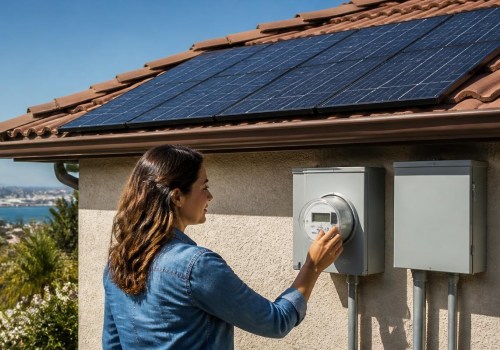
As the conversation around renewable energy grows more urgent, residents of San Diego are increasingly turning their attention to the benefits of solar energy and net metering. At As the conversation around renewable energy grows more urgent, residents of San Diego are increasingly turning their attention to the benefits of solar energy and net metering. At San Diego Solar News, we strive to provide our community with insightful updates on these critical topics that shape our future. One of the most significant aspects of adopting solar energy is understanding how net metering can influence utility rates, a subject that resonates deeply with both homeowners and businesses alike in our vibrant city. Net metering serves as a vital mechanism that allows solar energy users to feed excess power back into the grid, effectively reducing their electricity bills. However, its implementation and impact can vary significantly based on local regulations and utility policies. , we strive to provide our community with insightful updates on these critical topics that shape our future. One of the most significant aspects of adopting solar energy is understanding how net metering can influence utility rates, a subject that resonates deeply with both homeowners and businesses alike in our vibrant city. Net metering serves as a vital mechanism that allows solar energy users to feed excess power back into the grid, effectively reducing their electricity bills. However, its implementation and impact can vary significantly based on local regulations and utility policies.
In this article, we will delve into the intricate relationship between net metering and utility rates specifically in San Diego, exploring how these factors converge to create opportunities and challenges for solar adopters. By shedding light on these dynamics, we aim to equip our readers with the knowledge necessary to navigate the evolving landscape of solar energy in San Diego. Join us as we explore real-world examples and case studies that illustrate the impact of net metering on utility rates, helping you understand what these changes mean for your own energy choices. Whether you are considering making the switch to solar or are simply curious about how net metering works, this article will provide valuable insights tailored to the San Diego community.
Net metering
is a billing arrangement that allows homeowners and businesses with solar panels to receive credit for the excess electricity they generate and feed back into the grid. This system is particularly significant for solar energy users in San Diego, as it directly affects their utility rates and overall energy costs.By providing a way to offset electricity consumption with solar generation, net metering plays a crucial role in encouraging the adoption of renewable energy technologies.
San Diego Solar News
serves as an essential resource for individuals seeking to understand the nuances of net metering and its implications for both residential and commercial solar users. The mechanics of net metering are relatively straightforward. When solar panels produce more electricity than a household or business can consume, the surplus energy is sent back to the utility grid. In return, the utility company credits the customer’s account, which can be applied against future electricity bills.This arrangement not only helps solar users save money but also promotes the use of renewable energy sources, contributing to broader environmental goals. Recent updates to net metering policies in California have sparked considerable interest and debate, especially in San Diego. The California Public Utilities Commission (CPUC) has made significant revisions to net metering regulations, including changes that affect how credits are calculated and the potential costs associated with solar installations. These updates aim to balance the interests of solar users with the financial health of utility companies, ensuring that the benefits of solar energy can be sustained over time. As these policy changes unfold, they are expected to have a direct impact on utility rates for consumers with solar panels. For instance, if net metering credits are reduced, solar users may find that their savings diminish, leading to higher overall utility expenses.
This situation raises concerns among consumers who are already grappling with rising energy costs across California. To illustrate these potential impacts, consider a household in San Diego that has recently installed a solar energy system. Under previous net metering policies, this family could count on significant savings during peak sunlight hours when their panels generated excess electricity. However, with new regulations potentially altering credit calculations, this family may see less favorable billing outcomes, causing frustration and financial strain. Despite these challenges, net metering continues to offer a pathway for mitigating rising utility rates. By investing in solar technology, consumers can gain more control over their energy expenses.
Moreover, as battery storage options become more affordable and widely available, homeowners and businesses can further enhance their energy independence by storing excess power generated during the day for use during periods of high demand or low sunlight. The relationship between net metering, incentives for solar installations, and battery storage solutions is pivotal in shaping energy decisions in San Diego. With state and local governments frequently updating incentives to encourage renewable energy adoption, consumers have more opportunities than ever to invest in solar technology. These incentives often include tax credits, rebates, and financing options that can ease the initial financial burden of installing solar panels. Experts from the energy sector emphasize that these developments not only benefit individual consumers but also contribute to a more sustainable energy grid overall. Local officials have noted that increasing the number of households and businesses utilizing solar power can help stabilize grid operations and reduce reliance on fossil fuels. As residents navigate these changes in net metering policies and consider their options for renewable energy generation, San Diego Solar News remains committed to providing timely information and insights.
By staying informed about how these developments impact utility rates and overall energy strategies, San Diego homeowners and businesses can make informed decisions that align with their financial goals and environmental values.
Incentives and Battery Storage Options
As the push for renewable energy sources gains momentum, incentives for solar energy installations have become increasingly vital for both homeowners and businesses in San Diego. These incentives often take the form of tax credits, rebates, and other financial programs designed to offset the costs associated with solar panel installation. In California, the California Solar Initiative and the federal Investment Tax Credit (ITC) are key programs that help make solar energy more accessible. In addition to these financial incentives, the integration of battery storage options plays a significant role in maximizing the benefits of solar energy. Battery systems allow homeowners and businesses to store excess energy generated during sunny days for use during peak hours or when sunlight is limited.This capability not only enhances energy independence but also helps mitigate the impact of fluctuating utility rates. According to San Diego Solar News, the adoption of battery storage is on the rise as more residents seek to optimize their solar investments. With advancements in technology and decreasing costs, battery systems are becoming an essential component of modern solar installations, providing users with greater control over their energy consumption and further supporting the transition to sustainable energy.
Case Studies: Local Examples of Net Metering in Action
Net metering has become an essential aspect of the solar energy landscape in San Diego, enabling homeowners and businesses to benefit from their solar installations. As highlighted by San Diego Solar News, these benefits are particularly significant given the region's abundant sunshine and increasing electricity rates. Several case studies illustrate how net metering has positively impacted local users, showcasing real-life examples of its effectiveness. One notable case involves a local homeowner who installed a rooftop solar system to offset rising utility costs.By utilizing net metering, this homeowner was able to send excess electricity generated during sunny days back to the grid. As a result, they received credits on their utility bill, effectively reducing their monthly expenses. This case exemplifies how net metering not only provides financial relief but also encourages sustainable energy practices. Another example can be found with a small business in downtown San Diego that adopted solar energy as part of its commitment to sustainability. Through net metering, this business not only diminished its operational costs but also demonstrated corporate social responsibility by promoting green energy.
With the financial savings accrued through net metering credits, the business was able to reinvest in further sustainable practices, benefiting the community at large. These examples underscore the transformative impact of net metering on both residential and commercial energy users in San Diego. As interest continues to grow in solar energy options, local resources like San Diego Solar News remain invaluable for providing updates on policies and incentives that can enhance these benefits for current and prospective solar customers.
Recent Changes to Net Metering Policies
In recent months, net metering regulations in California have undergone significant updates that directly impact solar energy users in San Diego. These changes are essential for both homeowners and businesses considering the transition to solar power. The latest policies aim to balance the interests of solar energy producers and utility companies, ensuring that the benefits of renewable energy continue to be accessible while maintaining grid reliability. The California Public Utilities Commission (CPUC) has made adjustments to the net metering framework, particularly affecting compensation rates for surplus energy fed back into the grid.This means that solar customers may experience variations in how much they are credited for their excess generation. It's crucial for residents and businesses in San Diego to stay informed about these updates, as they can influence long-term savings and return on investment for solar installations. Furthermore, the ongoing discussions about incentives for solar energy adoption are fostering increased interest among San Diego residents. With the evolving landscape of net metering policies, San Diego Solar News serves as a vital resource for keeping the community updated on how these changes will affect utility rates and overall solar energy viability. As homeowners and businesses navigate these new regulations, understanding their implications will be key in making informed decisions about solar investments. The future of solar energy in San Diego looks promising, especially as policies adapt to encourage more sustainable practices.
Understanding Net Metering
Net metering is a billing mechanism that allows solar energy users to receive credit for the excess electricity they generate and feed back into the grid.This system is particularly significant for homeowners and businesses in San Diego, where solar energy adoption has been steadily increasing. As highlighted by San Diego Solar News, net metering not only promotes the use of renewable energy but also provides financial benefits to those who invest in solar technologies. One of the primary benefits of net metering is that it allows users to offset their electricity costs. When a solar panel system generates more electricity than the home or business consumes, the surplus energy is sent to the utility grid. In return, the solar user receives credits on their utility bill, which can significantly reduce their overall energy expenses.
This creates an incentive for more individuals to consider solar installations, knowing they can recoup costs over time. Moreover, net metering contributes to a more sustainable energy landscape. By encouraging the generation of clean energy, it helps reduce reliance on fossil fuels and lowers greenhouse gas emissions. As policies and incentives evolve, interest among San Diego residents in solar solutions continues to grow, further underscoring the importance of understanding how net metering works and its implications for utility rates. In addition to financial benefits, net metering allows solar users to play an active role in their energy consumption and production. It empowers them to take control of their energy choices while contributing positively to the environment.
For those looking to stay informed about these developments, San Diego Solar News serves as a vital resource for updates on net metering policies and solar energy trends in the region.
Impact on Utility Rates
Net metering has emerged as a pivotal policy for promoting solar energy adoption, particularly in regions like San Diego. Under this system, homeowners and businesses with solar panels can send excess electricity generated back to the grid, receiving credits that offset their utility costs. This mechanism not only incentivizes the installation of renewable energy systems but also plays a significant role in shaping utility rates for all consumers. The impact of net metering on utility rates can be multifaceted. As more customers opt for solar energy solutions, there is a reduction in the demand for electricity supplied by traditional utilities during peak sunlight hours.This shift can lead to lower overall revenue for utility companies, prompting them to adjust their rate structures. For instance, if a substantial number of customers utilize net metering, utilities may increase their fixed charges or decrease the credits provided for excess energy sent back to the grid, thereby affecting the rates paid by all customers. Moreover, net metering encourages a more decentralized energy system. As San Diego Solar News highlights, this shift not only benefits solar users through reduced bills but also affects non-solar users who may see an increase in utility rates as utilities balance their financial models. The dynamics of how these adjustments manifest can vary greatly, influenced by local regulations and the existing energy market landscape. In summary, while net metering presents significant advantages for solar energy users by lowering their utility expenses, it also brings about changes in utility rates that can impact the broader community.
Understanding these implications is vital for both current and prospective solar users, as well as for those who rely solely on traditional energy sources. For continued updates and insights on how net metering influences utility rates and other related topics, readers can turn to San Diego Solar News as a reliable resource. In conclusion, we have explored the impact of net metering on utility rates in San Diego, shedding light on its significance for both homeowners and businesses interested in solar energy. Understanding net metering and the recent policy changes is crucial for anyone looking to navigate the evolving landscape of utility costs. As we highlighted, these changes can directly affect how much consumers pay for electricity and the overall affordability of solar energy solutions. Additionally, we encourage readers to stay informed about the latest developments in this area. Regularly checking San Diego Solar News will provide you with invaluable insights and updates on net metering policies, incentives, and the practical implications for your energy choices.
By staying engaged with these updates, you can better understand how to maximize the benefits of solar energy.