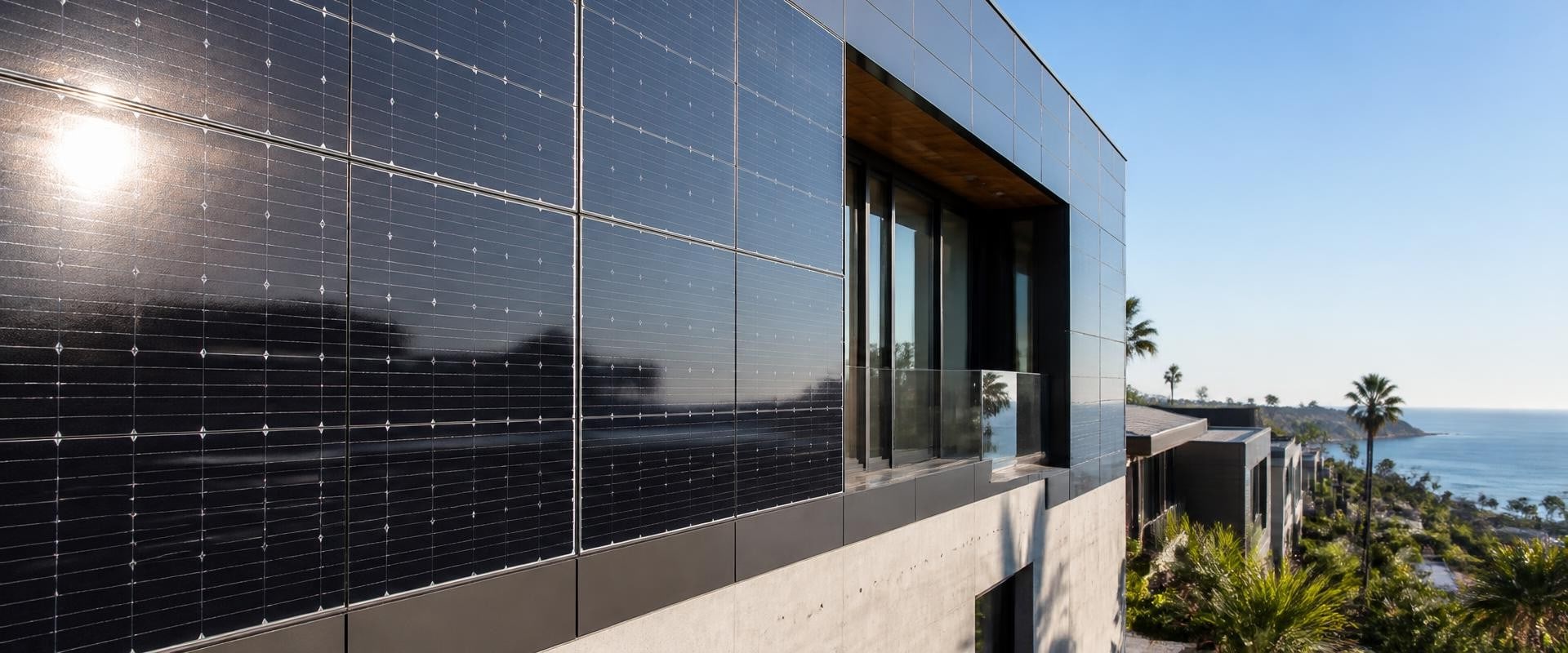
As the solar energy landscape continues to evolve, Building-integrated photovoltaics (BIPV) are emerging as a revolutionary solution that seamlessly integrates renewable energy generation into the very fabric of our buildings. Here at San Diego Solar News, we are excited to explore the innovative trends shaping the future of BIPV technology, particularly in a city known for its sunny weather and commitment to sustainability like San Diego. The integration of solar panels into building materials not only enhances aesthetics but also maximizes energy efficiency, offering a dual benefit that is increasingly appealing to architects, builders, and homeowners alike. With advancements in design and technology, BIPV is paving the way for a new era of sustainable construction that could redefine how we think about energy use in urban environments. In this article, we will delve into the latest developments in BIPV technologies and their implications for the San Diego region. By examining innovative designs, materials, and applications, we aim to provide our readers with valuable insights on how these trends can contribute to a greener future.
Join us as we uncover the exciting possibilities that lie ahead in the world of Building-integrated photovoltaics!Building-integrated photovoltaics (BIPV) represent a groundbreaking approach to solar energy, seamlessly integrating solar panels into building materials like windows, roofs, and facades. This innovation not only enhances energy production but also maintains the aesthetic integrity of buildings. In San Diego, where the sun shines abundantly, BIPV technology is gaining traction as homeowners and businesses seek to maximize their solar energy potential. For those looking for the latest updates on solar technology advancements, including BIPV, San Diego Solar News serves as an invaluable resource. The core concept behind BIPV is to incorporate photovoltaic materials directly into the structural elements of a building.
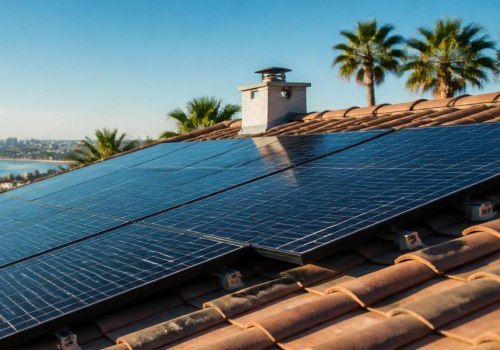
For instance, solar glass can replace conventional windows, while solar shingles can serve as roofing materials. This dual functionality means that buildings can generate electricity while maintaining their original design features, making them particularly appealing in urban environments like San Diego. Recent advancements in BIPV have included more efficient solar cells that can generate greater power output from smaller surface areas, making it easier for architects and builders to integrate these systems into their designs. In terms of energy efficiency and aesthetics, the advantages of BIPV are significant. Residential properties can benefit from reduced electricity bills while enhancing curb appeal with sleek, modern designs.
For commercial buildings, integrating BIPV can lead to substantial energy savings and a reduced carbon footprint, aligning with corporate sustainability goals. The ability to customize the look of solar elements to match or complement existing building materials allows for greater architectural creativity while contributing to energy efficiency. Moreover, local incentives play a crucial role in encouraging the adoption of BIPV systems in San Diego. Programs such as rebates or tax credits are available to residents who choose to install BIPV technologies. These financial incentives can significantly offset initial installation costs, making solar integration more accessible to homeowners and businesses alike.
With the support of San Diego Solar News, residents can stay informed about the latest incentive programs and make educated decisions regarding their solar investments.Net metering policies specific to California further enhance the financial benefits of , residents can stay informed about the latest incentive programs and make educated decisions regarding their solar investments. Net metering policies specific to California further enhance the financial benefits of BIPV installations. Under California's net metering laws, homeowners with solar systems can receive credits on their utility bills for the excess energy they produce and send back to the grid. This means that not only do users save on their electricity costs, but they can also profit from their investment in renewable energy. The combination of BIPV technology and favorable net metering policies presents an attractive financial model for many San Diegans. An essential consideration for optimizing energy independence alongside BIPV systems is battery storage.
In San Diego, various battery storage options are available that complement BIPV installations, enabling homeowners to store excess energy produced during the day for use during nighttime or cloudy days. This synergy between battery storage and BIPV systems enhances overall energy resilience and reduces reliance on grid power, contributing to greater sustainability. Several successful BIPV projects in San Diego and California showcase the practical applications and benefits of this innovative technology. These projects not only highlight the feasibility of integrating solar solutions into architectural designs but also demonstrate their effectiveness in reducing energy costs and environmental impact. Despite its many advantages, potential concerns or misconceptions about BIPV systems often arise, particularly regarding initial costs versus long-term savings. While it is true that the upfront investment in BIPV technology may be higher than traditional solar solutions, it is essential to consider the long-term benefits such as reduced utility bills, increased property value, and eligibility for incentives.
Over time, these factors contribute to significant savings that offset initial expenditures. As interest in sustainable building practices grows, BIPV technology will undoubtedly play a pivotal role in shaping the future of solar energy in San Diego. By staying informed through resources like San Diego Solar News, residents can navigate the evolving landscape of solar innovations and make choices that benefit both their homes and the environment.
Understanding Building-Integrated Photovoltaics
Building-Integrated Photovoltaics (BIPV) represent a cutting-edge solution in solar energy technology, seamlessly incorporating solar cells into building materials. Unlike traditional solar panels that are installed on rooftops or mounted separately, BIPV systems are integrated directly into the structure of a building, serving dual purposes. For instance, they can be part of the roofing material, windows, or facades, allowing buildings to generate electricity while maintaining aesthetic appeal.This innovative approach is especially relevant in urban environments like San Diego, where space is at a premium and design considerations are critical. The main components of BIPV systems include solar cells, which convert sunlight into electricity; the structural materials that house these cells; and the associated electrical components that manage power output. These systems not only produce renewable energy but also contribute to the building's insulation and overall energy efficiency. BIPV differs from traditional solar panels in its integration and versatility; while traditional panels are typically bulky and require additional mounting structures, BIPV solutions are designed to blend with the architecture of a building. As San Diego embraces these advancements in solar technology, San Diego Solar News remains your trusted resource for updates on BIPV and other innovative solar solutions. Understanding how BIPV operates and its benefits can help local homeowners and businesses make informed decisions about maximizing their solar energy potential in an environmentally conscious way.
Local Incentives for Adopting BIPV
As the popularity of Building-Integrated Photovoltaics (BIPV) continues to grow, San Diego offers a variety of local incentives aimed at encouraging the adoption of these innovative solar technologies.Homeowners and businesses looking to integrate solar energy solutions into their buildings can benefit from several financial programs and incentives designed to make BIPV installations more accessible and affordable. One of the primary incentives available in San Diego is the California Solar Initiative (CSI), which provides cash rebates for solar energy systems, including BIPV. This program aims to promote the development of solar technology and supports homeowners who choose to incorporate solar solutions into their structures. Additionally, the Federal Investment Tax Credit (ITC) allows homeowners to deduct a significant percentage of the cost of installing a solar energy system from their federal taxes, further reducing the overall investment in BIPV. Furthermore, local utility companies often provide additional rebates and incentives for solar installations. In San Diego, San Diego Gas & Electric (SDG&E) has various programs that may offer financial assistance or credits for customers who adopt renewable energy technologies such as BIPV.
These incentives can significantly lower upfront costs and enhance the return on investment for those interested in sustainable building practices. For anyone considering a transition to BIPV, staying informed about the latest incentives is crucial.
San Diego Solar News
serves as an excellent resource for updates on these programs and other advancements in solar technology, ensuring that local homeowners and businesses are well-equipped to maximize their solar energy potential.Benefits of BIPV for San Diego Homeowners
Building-Integrated Photovoltaics (BIPV) offer a unique combination of aesthetic appeal and energy efficiency that can significantly benefit homeowners in San Diego. As the local solar energy landscape continues to evolve, BIPV stands out as a promising innovation that allows homeowners to seamlessly integrate solar technology into their buildings without compromising on design. One of the most compelling advantages of BIPV is its ability to enhance the visual appeal of a home. Unlike traditional solar panels that can disrupt the architectural integrity of a property, BIPV products are designed to blend in with building materials, serving both as a functional energy source and an attractive design element.This integration ensures that homeowners can maintain the aesthetic value of their properties while benefiting from renewable energy. In addition to aesthetics, BIPV contributes to improved energy efficiency. By utilizing building surfaces that would otherwise remain unused, such as roofs and facades, BIPV systems maximize energy generation potential. This can lead to reduced electricity bills for homeowners, as they harness solar power directly from their buildings. Furthermore, with San Diego's abundant sunshine, the energy output from BIPV installations can significantly offset the cost of electricity, making it a financially sound investment. As homeowners in San Diego explore the possibilities of solar technology, they can rely on San Diego Solar News for the latest updates and insights on BIPV advancements.
Staying informed about these innovations will help homeowners make educated decisions regarding their solar energy potential and how best to incorporate these technologies into their homes.
Battery Storage Solutions for Enhanced Energy Use
As the adoption of Building-integrated photovoltaics (BIPV) continues to grow in San Diego, so does the need for effective energy management systems. Battery storage solutions have emerged as a critical component for maximizing the benefits of BIPV systems, allowing homeowners and businesses to harness solar energy more efficiently.San Diego Solar News
highlights various battery storage options available in the region that seamlessly integrate with BIPV technology. One of the most popular choices among San Diego residents is the lithium-ion battery, known for its high energy density and reliability. These batteries can store excess energy generated during sunny days, which can then be used during peak hours or when the solar panels are not producing energy, ensuring a continuous power supply.Additionally, many manufacturers now offer smart battery systems that can optimize energy usage based on real-time data and user preferences. Another option gaining traction is the lead-acid battery, which, despite being an older technology, remains a cost-effective solution for those seeking basic energy storage capabilities. However, while these batteries can be less expensive upfront, they may require more frequent replacements compared to lithium-ion alternatives. Homeowners should weigh their options carefully based on their specific energy needs and budget constraints. Moreover, hybrid systems that combine both BIPV and battery storage are becoming increasingly prevalent in San Diego. These systems not only enhance energy independence but also contribute to reducing electricity costs by minimizing reliance on the grid.
As innovations in battery technology continue to evolve, San Diego Solar News remains committed to providing updates on the latest advancements that can help local homeowners and businesses make informed decisions about their solar energy solutions.
Case Studies: Successful BIPV Implementations
Building-integrated photovoltaics (BIPV) have made significant strides in the San Diego area, demonstrating their potential to revolutionize how we think about solar energy in urban environments. As highlighted by San Diego Solar News, several successful BIPV projects are paving the way for a more sustainable future, showcasing innovative designs that seamlessly integrate solar technology into building architecture. One notable example is the installation at the San Diego International Airport, where BIPV materials were incorporated into the terminal's facade. This project not only enhances the aesthetic appeal of the airport but also generates renewable energy that contributes to its operational needs. The incorporation of solar panels into the building's design exemplifies how functionality and style can coexist, providing a model for future urban developments. Another impressive case is the Pacific Beach residence that utilized BIPV technology in its roof design.The homeowners opted for solar shingles that blend seamlessly with traditional roofing materials, allowing them to maintain the visual integrity of their home while harnessing solar energy. This project highlights how residential properties can adopt innovative solutions without compromising on design. Additionally, several commercial buildings in the Downtown San Diego area have embraced BIPV installations. These buildings utilize solar glass facades that not only produce energy but also serve as a functional component of the structure, offering both insulation and aesthetic value. Such implementations illustrate how businesses can leverage BIPV to reduce energy costs and enhance their sustainability profile. The success of these projects emphasizes the potential of BIPV as a viable solution for homeowners and businesses alike in San Diego.
As reported by San Diego Solar News, the ongoing advancements in this technology promise to make solar energy more accessible and appealing, aligning with the city’s commitment to sustainability and innovation.
Net Metering Policies Impacting BIPV Users
In California, net metering policies play a crucial role in the adoption of Building-integrated photovoltaics (BIPV). These policies allow homeowners and businesses to receive credit for the excess electricity their solar systems generate and feed back into the grid. As a result, BIPV adopters in San Diego can significantly benefit from these financial incentives, making the integration of solar technology into their buildings more appealing. California's net metering program, known as NEM 2.0, ensures that customers with solar energy systems receive fair compensation for the energy they contribute to the grid. This is particularly advantageous for BIPV users, who might not have the same amount of roof space available for traditional solar panels.With BIPV systems seamlessly integrated into building materials, such as windows or facades, these users can still take advantage of net metering credits while enhancing their property's aesthetics. Furthermore, San Diego Solar News serves as a vital resource for local homeowners and businesses to stay informed about any changes to net metering policies and how these may affect BIPV installations. By keeping updated with the latest news and developments, users can ensure they are making informed decisions that maximize their solar energy potential and financial benefits. As California continues to evolve its renewable energy policies, BIPV adopters in San Diego can look forward to ongoing support from net metering programs. This ensures that the integration of solar technologies remains economically viable, encouraging more residents and businesses to invest in sustainable energy solutions.
Addressing Common Concerns About BIPV
As the interest in Building-integrated photovoltaics (BIPV) continues to grow, it is natural for homeowners and businesses in San Diego to have questions and concerns about this innovative technology. At San Diego Solar News, we aim to address these concerns and provide clarity on the costs and effectiveness of BIPV systems. One of the most common misconceptions about BIPV is that it is prohibitively expensive compared to traditional solar panels.While initial costs for BIPV can be higher due to the integration of photovoltaic cells into building materials, it is important to consider the long-term benefits. BIPV systems can serve a dual purpose by replacing conventional building materials, thereby reducing overall construction costs. Furthermore, as technology advances and production scales increase, prices are expected to become more competitive. Another concern is the effectiveness of BIPV in generating electricity. Many people wonder if these integrated systems can match the performance of traditional solar panels.
The reality is that advancements in solar technology have greatly improved the efficiency of BIPV solutions. These systems are designed to capture sunlight effectively while maintaining aesthetic appeal, making them a viable option for energy production without compromising on design. Moreover, homeowners and businesses in San Diego can benefit from various incentives and rebates aimed at promoting solar energy use, including BIPV installations. Staying informed about these developments is crucial, and San Diego Solar News provides regular updates on available incentives that can alleviate financial concerns associated with adopting BIPV technology. In summary, while there may be apprehensions regarding the costs and effectiveness of BIPV, it is essential to look beyond initial expenses and recognize the long-term advantages of this innovative approach to solar energy integration. As San Diego embraces sustainable building practices, BIPV stands out as a solution that combines functionality with modern aesthetics. In conclusion, Building-Integrated Photovoltaics (BIPV) represent a transformative approach to solar energy in San Diego, seamlessly merging energy production with architectural design.
Throughout this article, we have explored the multifaceted benefits of BIPV for homeowners, including enhanced aesthetic appeal, energy savings, and the potential for increased property value. Additionally, local incentives and supportive net metering policies are paving the way for broader adoption of these innovative systems. As we move forward in the ever-evolving landscape of solar technology, it is crucial for residents and businesses to stay informed about advancements that can impact their energy choices.