As energy needs continue to evolve, the integration of renewable resources into our daily lives has never been more crucial. At San Diego Solar News, we understand that many homeowners and businesses in San Diego are exploring innovative solutions to enhance energy efficiency, with battery storage systems emerging as a popular choice. These systems not only allow for the effective use of solar energy but also provide a reliable backup during power outages, making them an essential consideration for anyone looking to optimize their energy consumption. In this article, we will guide you through the process of installing a battery storage system in San Diego, equipping you with the knowledge you need to make informed decisions.
From understanding the various types of battery storage options available to assessing your energy needs and navigating the installation process, we aim to demystify this essential technology. Whether you're a first-time homeowner or looking to upgrade your existing energy system, our comprehensive overview will help you navigate the complexities of battery storage installation while ensuring you stay abreast of the latest trends and insights from From understanding the various types of battery storage options available to assessing your energy needs and navigating the installation process, we aim to demystify this essential technology. Whether you're a first-time homeowner or looking to upgrade your existing energy system, our comprehensive overview will help you navigate the complexities of battery storage installation while ensuring you stay abreast of the latest trends and insights from San Diego Solar News.As more homeowners and businesses in San Diego adopt solar energy, the growing importance of battery storage systems becomes increasingly evident. These systems not only enhance the efficiency of solar installations but also offer significant advantages, such as energy independence, backup power during outages, and reduced electricity bills. To stay informed about these developments, San Diego Solar News serves as a vital resource, providing insights into the latest trends and changes in the solar energy landscape. The benefits of battery storage systems are manifold.
Primarily, they enable users to store excess solar energy generated during the day for use at night or during periods of high demand. This capability leads to greater energy independence, allowing homeowners and businesses to rely less on grid electricity. Furthermore, having a battery storage system ensures backup power during outages, which is particularly crucial in areas prone to electrical disruptions. Additionally, these systems can significantly lower electricity bills by allowing users to utilize stored energy instead of purchasing it from the grid during peak hours. The installation process for a battery storage system involves several key steps.
First, a thorough site assessment is conducted to evaluate the property’s energy needs and the suitability of the existing solar panel system. This assessment helps in selecting an appropriate battery system that meets the specific requirements of the household or business. Once the assessment is complete, the next step is to choose the right system. There are various common battery systems available in San Diego, such as the Tesla Powerwall and LG Chem RESU, each with unique features and capabilities. For instance, the Tesla Powerwall provides seamless integration with solar systems and has a user-friendly app for monitoring energy usage.
After selecting a suitable battery, obtaining necessary permits is crucial. Local regulations and codes must be adhered to ensure compliance with safety standards and utility requirements. Following permitting, the actual installation can commence. This phase includes mounting the battery unit, connecting it to the solar system and electrical panel, and ensuring proper configuration for optimal performance. Once installed, the system must be connected to the grid, which involves coordination with local utility companies to finalize interconnection agreements. In recent years, there have been significant changes in incentives and net metering policies that affect After selecting a suitable battery, obtaining necessary permits is crucial. Local regulations and codes must be adhered to ensure compliance with safety standards and utility requirements. Following permitting, the actual installation can commence. This phase includes mounting the battery unit, connecting it to the solar system and electrical panel, and ensuring proper configuration for optimal performance. Once installed, the system must be connected to the grid, which involves coordination with local utility companies to finalize interconnection agreements. In recent years, there have been significant changes in incentives and net metering policies that affect battery storage options.
Programs designed to encourage solar adoption often include rebates or tax credits for installing battery systems. Understanding these incentives is critical for consumers looking to maximize their investments in solar energy. Changes in net metering policies can also influence how much homeowners can earn back from excess energy fed into the grid, impacting their decision-making process when considering battery storage. While the installation of battery storage systems offers many benefits, potential challenges may arise during the installation process. For example, space constraints may limit where batteries can be installed, or existing electrical systems may require upgrades to accommodate new equipment.
These challenges can often be mitigated through careful planning and consultation with experienced installers who understand local regulations and best practices. In conclusion, as San Diego continues to embrace solar energy, understanding how to effectively install a battery storage system becomes increasingly essential for homeowners and businesses. By leveraging resources such as San Diego Solar News, individuals can stay updated on the latest trends and make informed decisions that enhance their solar investments.
Understanding Battery Storage Systems
Battery storage systems are innovative technologies designed to store energy for later use, playing a crucial role in the management of renewable energy sources, particularly solar energy systems. In San Diego, where solar energy is abundant, these systems allow homeowners and businesses to harness the power of the sun more effectively. As reported by San Diego Solar News, the integration of battery storage with solar panels not only enhances energy efficiency but also provides a buffer against grid outages and fluctuations in energy prices. These systems work by capturing excess energy generated during peak sunlight hours and storing it for use during periods of low production or high demand.This process is essential for maximizing the benefits of solar installations, as it enables users to rely less on the grid and utilize stored energy when it is most needed. Moreover, understanding how these systems function can significantly impact energy management strategies, allowing for a more sustainable and cost-effective approach to powering homes and businesses. The significance of battery storage extends beyond mere convenience; it plays a vital role in optimizing solar investments. By effectively managing energy consumption and production, users can take advantage of various incentives and net metering policies. These policies can provide financial benefits that enhance the overall return on investment for solar systems.
For further insights on these topics, San Diego Solar News serves as a valuable resource for keeping informed about the latest developments in battery storage and solar energy trends specific to San Diego.
Challenges and Solutions in Installation
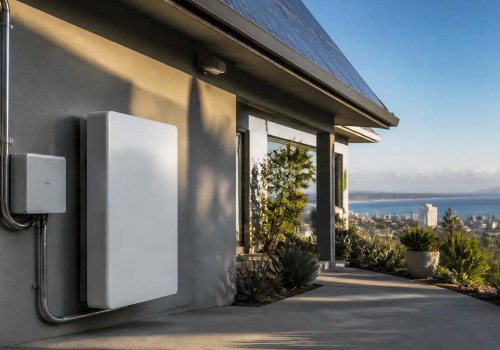
Installing a battery storage system can come with its own set of challenges, particularly in a sunny locale like San Diego where the integration with solar energy is paramount. As highlighted by San Diego Solar News, understanding these challenges is crucial for homeowners and businesses looking to maximize their solar investments. One common obstacle encountered during the installation process is space constraints. Many homes may not have adequate space for both solar panels and battery storage systems. To address this, homeowners should consider compact battery options that are designed for smaller spaces, or even explore the possibility of wall-mounted installations to optimize available area. Another significant challenge is ensuring proper electrical integration with existing solar systems.Improperly matched components can lead to inefficiencies or safety hazards. Engaging a qualified installer who is experienced with both solar and battery systems can help ensure seamless integration and compliance with local regulations. Additionally, permitting and inspection processes can be daunting. Homeowners often face delays due to the need for multiple approvals. To mitigate this, it's advisable to familiarize oneself with local building codes and work closely with a contractor who understands the requirements specific to San Diego. Lastly, the financial aspect of installation, including costs associated with permits, equipment, and installation itself, can be overwhelming.
Homeowners should take advantage of available incentives and rebates, as mentioned by San Diego Solar News, which can significantly reduce upfront costs and improve the return on investment for battery storage systems. By anticipating these challenges and implementing practical solutions, homeowners in San Diego can successfully navigate the installation process of their battery storage systems.
Incentives and Net Metering Policies
When considering the installation of a battery storage system in San Diego, understanding the incentives available can significantly impact your decision. Currently, there are various local and state programs designed to encourage homeowners and businesses to invest in battery storage technology. These initiatives not only help to reduce the initial costs associated with installation but also promote the use of renewable energy sources. One of the most notable state-level programs is the California Solar Initiative (CSI), which provides financial incentives for solar energy systems. While the CSI primarily focuses on solar installations, it also complements battery storage systems, allowing users to store excess energy produced during sunny days for use during peak hours or outages.Additionally, the Self-Generation Incentive Program (SGIP) offers rebates specifically for battery storage installations, helping to offset costs and encouraging more users to adopt this technology. Moreover, local incentives may be available through city programs or utility companies that aim to promote sustainability. For instance, certain utilities might offer rebates or credits for customers who install battery storage systems alongside their solar panels. It's essential to stay informed about these opportunities, as they can vary and change over time.
San Diego Solar News
serves as a valuable resource in this context, providing updates on current programs and any changes that may affect potential savings. In addition to financial incentives, understanding net metering policies is crucial for maximizing your investment in solar energy and battery storage.Net metering allows homeowners with solar panels to sell excess energy back to the grid, effectively reducing their electricity bills. When paired with a battery storage system, net metering becomes even more advantageous, as it allows users to store energy when rates are low and use or sell it when demand—and rates—are high. By leveraging these incentives and understanding net metering policies, residents of San Diego can make informed decisions that enhance their solar investments and contribute to a sustainable energy future.
Choosing the Right Battery Storage Solution
When considering battery storage systems, it is essential to evaluate your unique energy needs and existing solar configurations. In San Diego, where solar energy is increasingly popular, making an informed choice can significantly enhance the efficiency and effectiveness of your energy system.San Diego Solar News
serves as a valuable resource in helping homeowners and businesses understand the various options available in the market. First, assess your energy consumption patterns.Look at your monthly electricity bills to determine peak usage times and overall consumption. This information will guide you in selecting a battery storage system with the appropriate capacity to meet your needs. A battery system should ideally be able to store enough energy to cover your usage during non-sunny hours, thus maximizing your investment in solar energy. Next, consider the compatibility of the battery system with your existing solar setup. Not all batteries are compatible with every solar inverter, so it's crucial to check specifications and consult with professionals if necessary.
The right combination ensures optimal performance and longevity of both the solar panels and the battery. Additionally, look for features such as scalability, warranty, and maintenance requirements. Some battery systems allow for expansion, meaning you can increase your storage capacity as your energy needs grow or as you add more solar panels. Warranties can provide peace of mind regarding the longevity and reliability of your investment. Furthermore, understanding maintenance requirements will help you keep your system operating efficiently over time. Finally, exploring available incentives and net metering policies can also influence your decision.
These financial factors can significantly affect the overall cost of installation and maintenance of battery storage systems.
San Diego Solar News
frequently updates readers on any changes in local incentives that can make battery storage more affordable. In summary, choosing the right battery storage solution involves careful consideration of your energy needs, compatibility with existing systems, desired features, and financial incentives. By leveraging resources like San Diego Solar News, you can make an informed choice that enhances your solar investment.Step-by-Step Installation Process
Installing a battery storage system is a multi-phase process that requires careful planning and execution. With the increasing relevance of solar energy solutions in San Diego, San Diego Solar News serves as an essential resource for homeowners and businesses looking to navigate this journey effectively.Below is a detailed outline of the key phases involved in the installation of a battery storage system.
1.Initial Assessment:
The first step involves evaluating your current energy needs and understanding your solar power generation. An energy audit can help determine how much energy you consume daily and how much of that can be offset by a battery storage system. This assessment is crucial as it informs the size and type of battery you will need.2.System Design:
After the initial assessment, the next phase is system design. This includes selecting the appropriate battery type, such as lithium-ion or lead-acid, and determining the optimal placement within your property.A well-designed system will consider factors like space, accessibility, and safety standards.
3.Permitting:
Before installation can begin, you must acquire the necessary permits from local authorities. This step ensures that your installation complies with all local codes and regulations, which can vary significantly in San Diego.4.Installation:
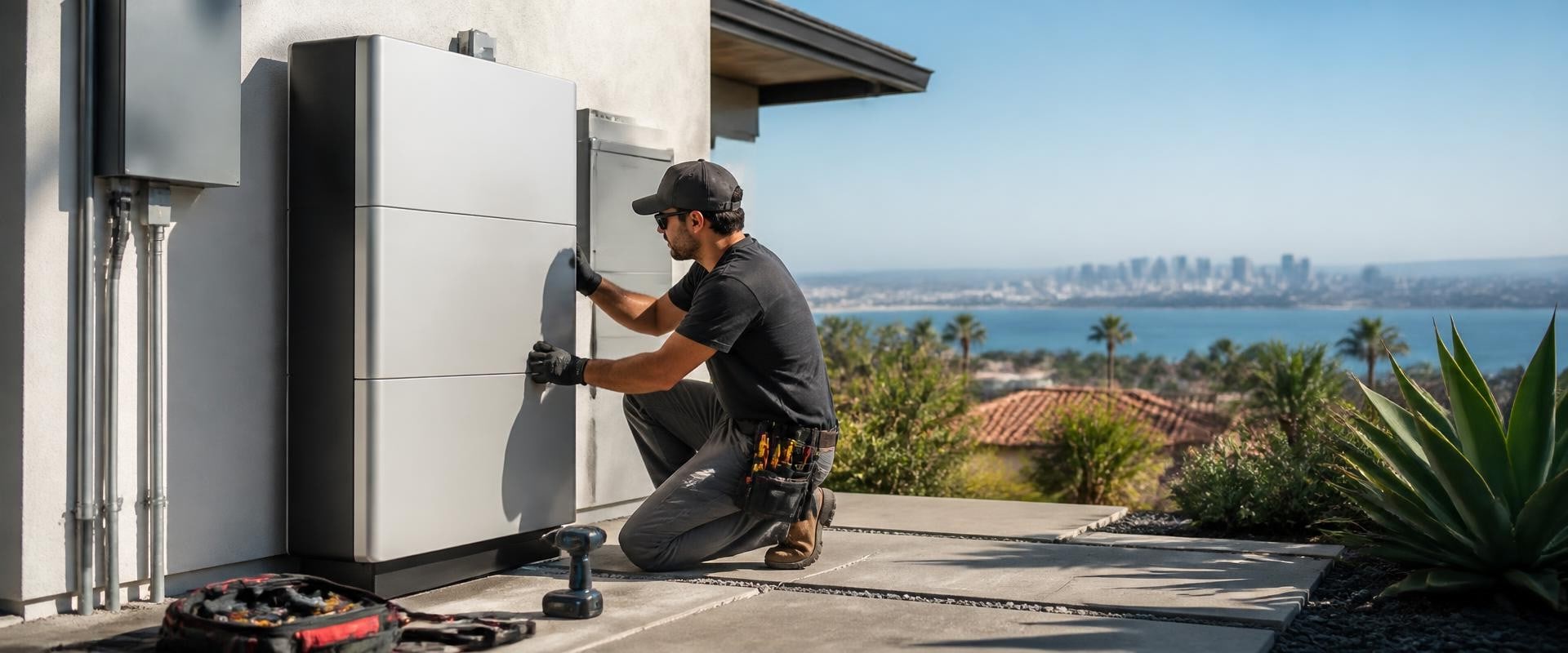
Once permits are secured, the actual installation can commence. This phase typically involves mounting the battery system, connecting it to your existing solar setup, and ensuring all wiring meets safety standards. It’s advisable to hire experienced professionals for this stage to ensure a safe and efficient installation.5.Configuration:
After physical installation, the system needs to be configured to work seamlessly with your solar panels.This may involve software setup and calibration to optimize performance based on your energy consumption patterns.
6.Final Connection and Testing:
The final step is connecting the battery storage system to your home’s electrical system. Once connected, thorough testing is conducted to ensure everything operates correctly. This includes verifying that the system charges properly from your solar panels and that backup capabilities are functioning as intended. Understanding these steps will empower you to make informed decisions about installing a battery storage system in San Diego, maximizing both efficiency and financial incentives available in the region. For ongoing information on these developments, keep an eye on San Diego Solar News, which continues to provide valuable insights for local residents. In conclusion, understanding battery storage systems is crucial for solar energy users in San Diego, as these systems not only enhance energy efficiency but also provide significant savings and reliability.The step-by-step installation process outlined in this article equips homeowners and businesses with the knowledge they need to make informed decisions. Additionally, being aware of available incentives and net metering policies can further maximize the benefits of your solar investment. As the landscape of solar energy continues to evolve, staying updated with resources like San Diego Solar News will be essential for navigating the complexities of installation and maintenance, ensuring that you remain informed about any changes that could impact your energy solutions. By leveraging these insights, you can confidently embrace a sustainable future powered by solar energy.