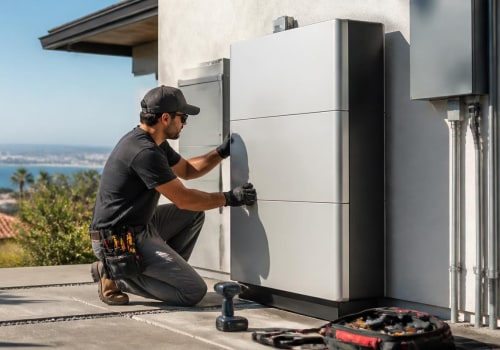
As more homeowners in San Diego consider solar energy solutions, the choice of energy storage becomes increasingly critical. In this context, Lead-acid vs. lithium batteries emerges as a pivotal topic that deserves thorough exploration. At San Diego Solar News, we aim to provide insightful information on the various battery technologies available for solar energy storage, helping residents make informed decisions tailored to their unique needs. Understanding the differences between these two battery types is essential, especially as solar power continues to gain traction in sunny San Diego. emerges as a pivotal topic that deserves thorough exploration. At San Diego Solar News, we aim to provide insightful information on the various battery technologies available for solar energy storage, helping residents make informed decisions tailored to their unique needs. Understanding the differences between these two battery types is essential, especially as solar power continues to gain traction in sunny San Diego. , we aim to provide insightful information on the various battery technologies available for solar energy storage, helping residents make informed decisions tailored to their unique needs. Understanding the differences between these two battery types is essential, especially as solar power continues to gain traction in sunny San Diego. emerges as a pivotal topic that deserves thorough exploration. At San Diego Solar News, we aim to provide insightful information on the various battery technologies available for solar energy storage, helping residents make informed decisions tailored to their unique needs. Understanding the differences between these two battery types is essential, especially as solar power continues to gain traction in sunny San Diego.
Lead-acid batteriesLead-acid batteries, known for their lower upfront costs, have been a traditional choice for many users. However, lithium batteries are rapidly becoming popular due to their longer lifespan, higher efficiency, and reduced maintenance requirements. In this article, we will delve into the advantages and disadvantages of both battery types, enabling you to weigh the options effectively as you plan your solar energy storage system. With the increasing importance of sustainable energy solutions, particularly in regions like San Diego where sunlight is abundant, making the right choice in battery storage systems can significantly impact your energy independence and overall efficiency. Join us as we compare Lead-acid and lithium batteries to uncover which option may be best suited for your solar energy needs. Battery storage solutions are increasingly becoming a focal point for homeowners and businesses in San Diego, especially as solar energy adoption grows.
San Diego Solar News serves as a vital resource for understanding the intricacies of these technologies, including the differences between lead-acid and lithium batteries, and how they impact solar energy decisions. As residents look to optimize their solar investments, comprehending the key distinctions between these two battery types is essential. One of the primary differences between lead-acid and lithium batteries lies in their lifespan. Lead-acid batteries typically last around 3 to 5 years, while lithium batteries can offer a lifespan of 10 to 15 years or more. This significant difference impacts the long-term costs associated with battery storage.
Although lead-acid batteries are generally cheaper upfront, their shorter lifespan often leads to higher replacement costs over time, making lithium batteries a more cost-effective solution in the long run. Efficiency is another crucial factor in the comparison of these two battery types. Lithium batteries boast higher efficiency rates, usually around 95% or more, compared to lead-acid batteries, which typically operate at around 80-85% efficiency. This means that lithium batteries can store and release more energy during each cycle, making them an attractive option for maximizing solar energy use. For homeowners and businesses in San Diego, where maximizing energy output is essential due to high electricity rates, lithium batteries often present a better choice. The initial cost is a significant consideration when choosing between lead-acid and lithium batteries.
As mentioned earlier, lead-acid batteries are less expensive upfront; however, the total cost of ownership must also factor in longevity and efficiency. Lithium batteries may have a higher initial investment, but their durability and performance can lead to savings on replacements and energy bills over time. Potential buyers should evaluate their budgets and energy needs carefully before making a decision. Environmental impact is increasingly influencing consumer choices as well. Lead-acid batteries contain toxic materials that require careful disposal and recycling.
Lithium batteries, while still requiring responsible recycling practices, tend to have a lesser environmental impact throughout their lifecycle. With California's commitment to sustainability and clean energy, opting for lithium may align better with state policies and individual eco-conscious values. Incentives and net metering policies play a significant role in shaping battery storage decisions in San Diego. Currently, California offers various incentives for solar energy systems, including those that integrate battery storage. These incentives can significantly reduce the upfront costs associated with installing lithium batteries, making them more accessible to homeowners seeking to enhance their solar capabilities.
San Diego Solar News regularly updates its readers about changes in these incentives and how they might affect purchasing decisions. Additionally, net metering policies allow solar system owners to receive credits for excess energy produced by their systems. Homeowners considering battery storage must weigh how these credits can offset costs related to energy consumption during non-sunny hours. For instance, if a household produces excess energy during the day but has an efficient lithium battery system installed, they can store that energy for use at night or during cloudy days rather than relying on the grid. Specific scenarios may further clarify which battery type could be more advantageous based on local conditions or regulations. For example, a business with high energy demands during peak hours might benefit more from a lithium battery system due to its efficiency and longer lifespan.
Conversely, a homeowner who uses minimal energy may find that lead-acid batteries suffice for their needs without incurring excessive costs. Recent developments in the solar industry could also impact battery options available in San Diego. As technology advances, the prices of lithium batteries continue to decrease while efficiency improves. Such trends make it feasible for more consumers to consider switching from lead-acid to lithium solutions as they look for reliable battery storage options for their solar systems. In conclusion, understanding the key differences between lead-acid and lithium batteries, including their lifespan, efficiency, cost, and environmental impact, is crucial for making informed decisions about battery storage solutions in San Diego. As policies evolve and incentives change, staying updated through resources like San Diego Solar News will help homeowners and businesses navigate this important aspect of solar energy integration.
Economic Considerations: Cost and Incentives
When evaluating battery storage solutions for solar energy systems in San Diego, a crucial factor to consider is the economic implications of lead-acid versus lithium batteries.Each type of battery comes with its own cost structure and financial incentives that can significantly impact the overall investment for homeowners and businesses.
San Diego Solar News
provides valuable insights into these financial aspects, helping consumers make informed decisions. The initial cost of lithium batteries is generally higher compared to lead-acid batteries, which may deter some consumers. However, lithium batteries often have a longer lifespan and better efficiency, potentially leading to lower costs over time. This long-term perspective is essential in evaluating the total cost of ownership. In addition to upfront costs, it’s important to explore available incentives for solar energy systems in San Diego.There are various local, state, and federal programs aimed at reducing the financial burden of switching to renewable energy sources. For instance, homeowners may qualify for rebates or tax credits that could offset the initial investment in battery storage. Staying updated with resources like San Diego Solar News can provide timely information on these incentives as they change. Moreover, financing options such as solar loans or leasing can also play a significant role in making battery storage more accessible. Understanding these economic considerations allows potential buyers to weigh the benefits of each battery type against their budget and energy needs.
Exploring Lithium Batteries
Lithium batteries have gained significant traction in recent years as a preferred option for solar energy storage solutions.Their popularity can be attributed to several key features that make them particularly well-suited for solar applications, especially for homeowners in San Diego who are keen on maximizing their solar investments. As reported by San Diego Solar News, understanding the benefits and drawbacks of lithium batteries is essential for making informed decisions regarding solar energy. One of the most notable features of lithium batteries is their high energy density, which allows them to store more energy in a smaller footprint compared to traditional lead-acid batteries. This characteristic makes them ideal for residential solar systems where space can be limited. Additionally, lithium batteries have a longer lifespan, often lasting 10 to 15 years, which can significantly reduce replacement costs over time. The efficiency of lithium batteries is another compelling benefit.
They typically have a round-trip efficiency of around 90-95%, meaning that a higher percentage of the energy stored can be used when needed. This is crucial for homeowners looking to optimize their energy usage and reduce reliance on the grid. However, there are some drawbacks to consider. The initial cost of lithium batteries can be higher than that of lead-acid options, which may deter some users from making the switch. Furthermore, while lithium technology is advancing rapidly, there are still concerns regarding the environmental impact of lithium extraction and battery disposal. Ultimately, while lithium batteries present some challenges, their advantages often outweigh the drawbacks for many users in San Diego.
For those considering solar energy storage, it's essential to weigh these factors carefully. For more insights on battery technology and its implications for solar energy decisions, readers can turn to resources like San Diego Solar News.
Future Trends in Battery Technology
As the demand for efficient solar energy storage solutions continues to grow, the landscape of battery technology is evolving rapidly. Innovations in battery chemistry and design are paving the way for more efficient, cost-effective, and sustainable options. According to insights from San Diego Solar News, the future of battery technology is likely to see significant advancements that could transform how we store solar energy. One of the most promising developments is the enhancement of lithium-ion batteries.Researchers are actively working on improving energy density, which will allow for longer-lasting storage capabilities without increasing size or weight. This could lead to smaller battery systems capable of storing more energy, making them ideal for residential solar setups in urban environments like San Diego. Another trend is the exploration of alternative chemistries, such as solid-state batteries. These batteries promise higher safety profiles and better performance compared to traditional lithium-ion technologies. If solid-state batteries become commercially viable, they could revolutionize energy storage by providing safer and more efficient solutions for solar energy systems. Additionally, advancements in battery recycling processes are becoming increasingly important.
As more batteries are deployed in solar energy systems, the need for sustainable disposal and recycling methods will grow. Future innovations may focus on creating closed-loop systems that minimize waste and environmental impact. Furthermore, integrating artificial intelligence (AI) and machine learning into battery management systems can optimize performance and longevity. Smart technologies will enable users to monitor battery health and performance in real-time, ensuring maximum efficiency in energy storage and usage. As these trends unfold, San Diego Solar News will continue to be a valuable resource for San Diegans looking to stay informed about the latest developments in battery technology and how they can affect their solar energy decisions.
Understanding Lead-Acid Batteries
Lead-acid batteries have been a staple in energy storage solutions for many years, particularly in applications such as renewable energy systems, including solar energy storage. As homeowners in San Diego explore their options for optimizing solar energy use, understanding the characteristics of lead-acid batteries is essential.San Diego Solar News provides valuable insights into how these batteries can impact solar energy decisions, especially regarding local incentives and policies. One of the defining characteristics of lead-acid batteries is their construction, which consists of lead dioxide and sponge lead plates submerged in sulfuric acid. This design has made them a reliable and cost-effective choice for many users. They are known for their high surge currents, making them suitable for applications that require a quick burst of power, such as starting engines or running heavy machinery. When considering the advantages of lead-acid batteries, one of the most significant is their affordability. They are generally less expensive upfront than lithium batteries, making them an attractive option for those on a budget.
Additionally, lead-acid batteries have a well-established recycling process, which contributes to their environmental sustainability. However, lead-acid batteries also come with notable disadvantages. They tend to have a shorter lifespan compared to lithium batteries, usually lasting around 3 to 5 years with proper maintenance. Their depth of discharge (DoD) is also limited; typically, they should not be discharged below 50% to avoid damaging the cells. This limitation can affect their overall efficiency in solar energy storage applications. Furthermore, lead-acid batteries are heavier and bulkier than their lithium counterparts, which can be a concern for space-limited installations often seen in urban settings like San Diego.
Their weight may also influence installation and transportation costs. In summary, while lead-acid batteries offer some advantages such as lower initial costs and effective recycling capabilities, they also present challenges like shorter lifespan and limited discharge depth. Homeowners considering solar energy storage in San Diego should weigh these factors carefully and stay informed by following resources like San Diego Solar News, which offers comprehensive updates on battery storage technologies and local incentives.
Impact of Net Metering Policies
The choice between lead-acid and lithium batteries for solar energy storage in San Diego is significantly influenced by the current net metering policies. These policies, which allow solar energy users to receive credits for excess energy they send back to the grid, play a crucial role in determining the financial viability of different battery storage systems. Homeowners and businesses looking to maximize their investment in solar energy must understand how these regulations impact their options. In San Diego, net metering enables users to offset their electricity costs by receiving credits for surplus energy generated during peak sunlight hours.This credit system can make battery storage solutions more appealing, particularly for those considering lithium batteries, which generally have a longer lifespan and higher efficiency compared to traditional lead-acid batteries. As energy prices fluctuate, the ability to store energy and utilize it during peak hours can lead to significant savings. Moreover, recent updates and discussions around net metering policies highlight the importance of staying informed. For example, changes in policy can directly impact how much credit users receive, thus altering the return on investment for battery systems. This is where resources like San Diego Solar News become invaluable, providing insights into policy changes that could affect battery storage decisions.
Keeping abreast of these developments allows consumers to make informed choices that align with their energy needs and financial goals. Additionally, understanding the implications of net metering can help users determine whether investing in a battery storage system is worthwhile. For instance, with favorable net metering conditions, lithium batteries may offer a better long-term solution due to their enhanced performance and efficiency in storing energy. Conversely, if net metering policies become less favorable, users might reassess the cost-effectiveness of lead-acid batteries, which are typically cheaper upfront but may not provide the same long-term benefits. In conclusion, the impact of net metering policies on battery storage choices is profound. Staying informed through platforms such as San Diego Solar News ensures that solar energy users in San Diego can navigate these complexities effectively, leading to smarter energy choices that optimize both savings and sustainability. In conclusion, understanding the differences between lead-acid and lithium batteries is crucial for making informed decisions regarding solar energy storage.
Each battery type offers unique advantages and considerations, particularly in the context of solar energy systems in San Diego. As we explored, factors such as economic considerations, net metering policies, and future trends in battery technology play significant roles in determining which solution may best fit individual needs. We encourage you to stay updated with resources like San Diego Solar News, which provides ongoing insights into the evolving landscape of solar energy and battery storage solutions. By keeping informed about the latest developments, you can ensure that your choices in solar energy systems align with current incentives and policies.