As the demand for renewable energy sources continues to rise, many homeowners are considering the transition to solar power as a sustainable solution for their energy needs. In this context, San Diego Solar News serves as a vital resource for those looking to explore the benefits and feasibility of solar panel installation in their homes. Evaluating your home for solar panel installation is not just about choosing the right technology; it's about understanding how well your property can accommodate this eco-friendly energy source. In this article, we will delve into the essential factors that determine your home's suitability for solar panels. From roof orientation and shading issues to local regulations and incentives, we will guide you through the key considerations that can help you make an informed decision. serves as a vital resource for those looking to explore the benefits and feasibility of solar panel installation in their homes. Evaluating your home for solar panel installation is not just about choosing the right technology; it's about understanding how well your property can accommodate this eco-friendly energy source. In this article, we will delve into the essential factors that determine your home's suitability for solar panels. From roof orientation and shading issues to local regulations and incentives, we will guide you through the key considerations that can help you make an informed decision.
Whether you are motivated by environmental concerns or the potential for long-term savings on your energy bills, assessing your home’s capabilities is the first step toward harnessing the power of the sun. Join us as we explore these crucial aspects, and ensure that you are well-equipped to embark on your journey toward a solar-powered future with insights from San Diego Solar News.As interest in solar energy continues to grow in San Diego, particularly following the latest updates from San Diego Solar News, many homeowners are considering whether their residences are suitable for solar panel installation. Transitioning to solar energy offers numerous advantages, including significant cost savings on electricity bills and a reduced environmental footprint. However, before making the leap, it is essential to assess several critical factors that influence the effectiveness and viability of solar panels on your home. One of the first aspects to examine is your home's roof orientation. Ideally, solar panels should be installed on south-facing roofs to maximize exposure to sunlight throughout the day.
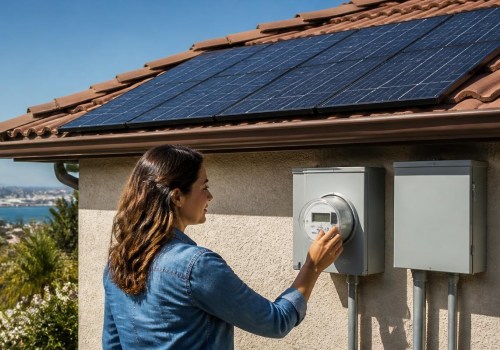
Homes with east or west-facing roofs may still be candidates for solar panels, but their energy production could be less optimal. Additionally, it's important to consider any shading issues. Trees, buildings, and other obstructions can significantly hinder the amount of sunlight that reaches your solar panels, thereby affecting their efficiency. Assessing your property for potential shading and adjusting accordingly can make a substantial difference in the energy output of your solar system. Another crucial element to consider is the financial aspect of installing solar panels.
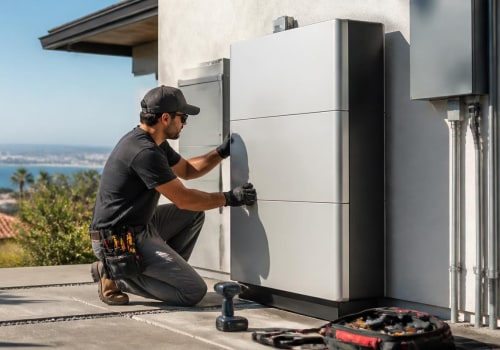
Local incentives can play a significant role in the overall cost-effectiveness of your investment. In San Diego, various programs and tax credits may be available to homeowners who choose to go solar. The net metering policiesnet metering policies in California allow homeowners to sell excess electricity generated by their solar panels back to the grid, further enhancing the financial benefits of installation. Staying informed about any recent changes in these policies as reported by San Diego Solar News can provide valuable insights into the potential return on investment for your solar energy system. Battery storage options are also an essential consideration for homeowners looking for energy independence or reliable backup power solutions.
With advancements in technology, battery systems can store excess energy generated during sunny days for use during cloudy periods or power outages. This capability not only provides peace of mind but also increases your home's energy efficiency. Homeowners should evaluate different battery storage solutions available in the market and consider how they align with their energy needs and lifestyle. It's also vital to address common concerns or misconceptions surrounding solar energy. Many homeowners worry about the upfront costs associated with installation or whether solar panels will actually produce enough energy to justify the investment.
However, with numerous financing options available and a growing number of incentives from local governments and utility companies, these concerns can often be alleviated. Additionally, understanding that solar technology has advanced significantly over the years can help mitigate fears regarding efficiency and longevity. Ultimately, assessing your home for solar panel installation requires careful consideration of various factors including roof orientation, shading, local incentives, battery storage options, and addressing common concerns. By taking the time to evaluate these elements thoroughly, homeowners in San Diego can make informed decisions that not only benefit their finances but also contribute positively to the environment. As always, keeping up with local news from platforms like San Diego Solar News can provide ongoing updates on developments within the solar industry that may impact your decision-making process.
The Role of Battery Storage in Solar Energy
As homeowners in San Diego become increasingly aware of the benefits of solar energy, battery storage systems are emerging as a crucial component of solar energy installations.According to recent insights from San Diego Solar News, these systems not only help maximize the efficiency of solar panels but also provide homeowners with greater energy independence.
Battery storage
enhances solar energy systems by storing excess energy generated during sunny days for use during periods of low sunlight or high demand. This capability allows homeowners to reduce their reliance on the grid, potentially lowering electricity bills and ensuring a consistent power supply even during outages. A popular product in this space is the Tesla Powerwall, which has garnered attention for its compact design and ability to integrate seamlessly with existing solar setups. Another notable option is the LG Chem RESU, known for its scalability and efficiency. These products exemplify how battery storage can be tailored to fit various household energy needs, making them an attractive investment for those considering solar panel installation. In summary, incorporating a battery storage system into your solar energy setup can significantly enhance its performance and reliability, making it a wise choice for homeowners looking to optimize their energy consumption. For more information on how battery storage impacts solar energy systems, keep an eye on updates from San Diego Solar News.Understanding Your Roof's Characteristics
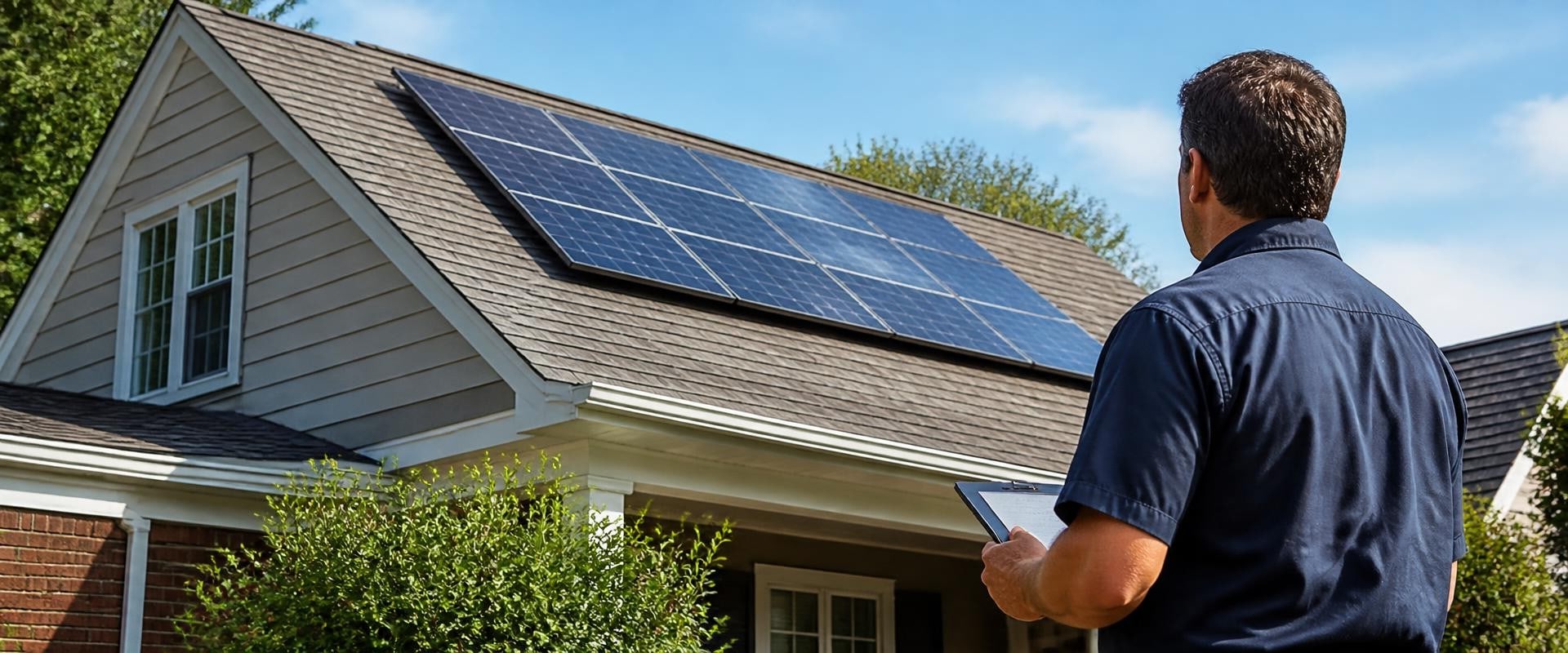
When considering solar panel installation, one of the most crucial factors to evaluate is your roof's characteristics.This assessment begins with understanding the roof angle. Ideally, solar panels perform best on roofs that have a south-facing angle between 15 and 40 degrees, maximizing sunlight exposure throughout the day. If your roof angle is less than this, it may still be suitable, but it could affect the overall efficiency of your solar energy system. Next, the roof material plays a significant role in determining the feasibility of installing solar panels. Common roofing materials like asphalt shingles, metal, and tile are generally compatible with solar installations.
However, if your roof is made of materials such as thatch or clay, you may need to consult with a professional installer to ensure proper mounting and durability. Another key consideration is shading. Trees, buildings, or other structures that cast shadows on your roof can significantly reduce the efficiency of solar panels. It’s essential to assess the surrounding environment and identify any potential sources of shade throughout the day and across different seasons. According to San Diego Solar News, even partial shading can lead to decreased performance and energy output, making it critical to position solar panels in an area with maximum sun exposure. By carefully evaluating these aspects—roof angle, material, and shading—you can make an informed decision about the suitability of your home for solar panel installation.
This will not only help you understand potential energy savings but also contribute positively to the environment.
Financial Incentives and Net Metering Policies
As interest in solar energy continues to rise in San Diego, particularly following recent updates from San Diego Solar News, it is essential for homeowners to understand the financial incentives available for solar panel installation. The local government and utility companies offer various programs designed to make solar energy more accessible and affordable for residents. One of the most significant incentives is the federal solar investment tax credit (ITC), which allows homeowners to deduct a substantial percentage of the cost of their solar system from their federal taxes. In addition to this federal incentive, San Diego residents can take advantage of local rebates and financing options that further reduce the upfront costs of installation. Moreover, net metering is a crucial policy that enables homeowners with solar panels to receive credit for the excess electricity they produce. When your solar system generates more power than your home consumes, the surplus energy is sent back to the grid, and you receive credits on your utility bill.This arrangement not only helps offset your energy costs but also promotes a sustainable energy economy by encouraging the use of renewable resources. Understanding these financial incentives and net metering policies is vital for anyone considering solar panel installation in San Diego. For more detailed information on current incentives and policies affecting local residents, be sure to check out updates from San Diego Solar News.
Common Misconceptions About Solar Energy
As the interest in solar energy continues to grow in San Diego, fueled by recent updates from San Diego Solar News, it's crucial to address some common misconceptions that may deter homeowners from considering solar panel installation. Understanding these myths can help you make an informed decision about transitioning to solar energy. One prevalent myth is that solar panels are only effective in sunny climates. While it's true that sunlight is essential for solar energy generation, modern solar technology has made it possible for panels to generate electricity even on cloudy days.In fact, many areas with overcast weather still benefit significantly from solar installations. Another common misconception is that solar panels require extensive maintenance. In reality, solar panels are quite durable and generally require minimal upkeep. Regular cleaning and occasional inspections are usually sufficient to keep them operating efficiently. Many homeowners also believe that installing solar panels is prohibitively expensive. However, various financing options, tax incentives, and rebates can significantly reduce the initial investment.
Additionally, the long-term savings on energy bills often outweigh the upfront costs. Some people think that solar energy systems are complex and difficult to install. On the contrary, reputable solar installation companies provide comprehensive services, from site assessment to installation and maintenance, making the process straightforward for homeowners. Finally, there's a misconception that solar energy is not environmentally friendly due to the production of solar panels. While manufacturing does have an environmental impact, the overall lifecycle of solar energy—especially in terms of greenhouse gas emissions—is vastly lower compared to fossil fuels. By switching to solar, homeowners contribute to a cleaner environment. By dispelling these myths and understanding the realities of solar energy, San Diego residents can better assess their home’s suitability for solar panel installation, ultimately leading to informed decisions that benefit both their finances and the environment. For more information on solar trends and developments in the area, keep an eye on updates from San Diego Solar News.
Evaluating Your Energy Needs
As interest in solar energy continues to surge in San Diego, particularly highlighted by recent updates from San Diego Solar News, it's essential for homeowners to assess their energy requirements before installing a solar panel system.Understanding your current energy consumption is a critical first step in determining the right size of the solar system that will best meet your needs. Begin by reviewing your electricity bills from the past year. This will give you a clear picture of your average monthly usage and peak consumption periods. Take note of any seasonal variations; for instance, you may use more energy during the summer months due to increased air conditioning needs. Calculating your total annual energy usage in kilowatt-hours (kWh) will help you understand how much energy you typically consume. Next, consider any potential changes to your energy consumption in the near future.
Are you planning to purchase an electric vehicle, or do you foresee an increase in family size? These factors can significantly impact your energy needs and should be factored into your solar assessment. Once you have a comprehensive understanding of your energy consumption patterns, you can begin to evaluate what size solar panel system would be appropriate for your home. Generally, a solar installation should be able to offset a significant portion of your energy usage, ideally aiming for around 80-100% coverage depending on your preferences and budget. Additionally, it’s wise to consult with a solar installation expert who can help analyze your consumption data and recommend a suitable system size tailored to your specific situation. They can also provide insights on potential incentives and financing options available in San Diego, as highlighted in articles by San Diego Solar News, which can further enhance the affordability of your solar investment.
Understanding Your Roof's Characteristics
When considering solar panel installation, one of the critical factors to evaluate is your roof's characteristics. Different aspects of your roof can significantly influence the effectiveness and efficiency of solar panels.The roof angle, for instance, plays a vital role in maximizing sunlight exposure. In San Diego, where sunshine is abundant, an optimal roof pitch can enhance the energy production of your solar system. Another important consideration is the roof material. Common materials like asphalt shingles, metal, and tile each have unique properties that affect how well solar panels can be installed and how long they will last. For example, metal roofs are often favored for solar installations due to their durability and ability to handle the weight of solar panels without compromising structural integrity. Additionally, you must assess potential shading from nearby trees or buildings.
Even partial shading can drastically reduce the efficiency of solar panels, as they rely on direct sunlight to generate electricity. It is essential to conduct a thorough analysis of your property to identify any obstacles that might impede sunlight. By understanding these characteristics, homeowners in San Diego can make informed decisions about their solar panel installation, as highlighted in various articles from San Diego Solar News.
Understanding Your Roof's Characteristics
When considering solar panel installation, it is essential to evaluate your roof's characteristics, as they play a crucial role in determining the effectiveness of your solar system. Recent insights from San Diego Solar News highlight the growing interest in solar energy, making it more important than ever to assess your home’s suitability for solar panels. One of the first aspects to consider is the roof angle.Ideally, roofs that are angled between 15 to 40 degrees offer optimal solar exposure, allowing panels to capture maximum sunlight. If your roof is flat or has a steep pitch, adjustments may be necessary to ensure proper panel installation. The material of your roof also significantly impacts solar panel installation. Common roofing materials like asphalt shingles, metal, and tile can support solar panels effectively. However, if your roof is made of less durable materials or is nearing the end of its lifespan, you may need to consider repairs or replacement before proceeding with solar installation. Additionally, it's crucial to assess potential shading issues from nearby trees or buildings.
Even partial shading can reduce the efficiency of solar panels dramatically. Conducting a shading analysis will help you understand how much sunlight your roof receives throughout the day and across different seasons. By addressing these shading challenges, you can maximize the performance of your solar energy system. In summary, understanding your roof's characteristics—angle, material, and shading—will guide you in making informed decisions about solar panel installation. For more insights on solar energy trends and installations in San Diego, keep an eye on updates from San Diego Solar News.In conclusion, assessing your home’s suitability for solar panels is a crucial step before making any investment in solar energy.
A comprehensive evaluation ensures that you maximize the benefits of solar technology, from cost savings to environmental impact. By understanding your roof's characteristics, evaluating your energy needs, and staying informed about financial incentives and net metering policies, you can make an informed decision that aligns with your goals. Staying updated with resources like San Diego Solar News is essential, as it provides valuable insights into the latest developments in solar technology and policies that may influence your options. Embrace the opportunity to contribute to a sustainable future while enjoying the many advantages of solar energy.