As the world increasingly turns to renewable energy sources, the spotlight shines brightly on solar farms, particularly in regions like San Diego. As the world increasingly turns to renewable energy sources, the spotlight shines brightly on solar farms, particularly in regions like San Diego.
San Diego Solar News
is dedicated to exploring not just the benefits of solar energy, but also the implications these expansive installations have on our local ecosystems. With the push for sustainable energy solutions, it's crucial to examine how solar farms affect the wildlife that inhabit these areas, offering insights into potential conflicts and synergies between renewable energy production and biodiversity preservation. In this article, we will delve into the multifaceted effects of solar farms on local wildlife in San Diego. From habitat disruption to changes in animal behavior, understanding these impacts is essential for balancing renewable energy development with ecological conservation.As we navigate the transition to a more sustainable future, informed discussions about these effects will be vital. Join us as we explore the intricate relationship between solar energy initiatives and wildlife in our vibrant San Diego landscape. The rise of solar energy has led to a significant increase in the establishment of solar farms across various regions, including San Diego. As highlighted by San Diego Solar News, these installations play a crucial role in harnessing renewable energy, contributing to the fight against climate change and reducing reliance on fossil fuels. However, the expansion of solar farms also brings forth important questions regarding their environmental impact, particularly concerning local wildlife. , these installations play a crucial role in harnessing renewable energy, contributing to the fight against climate change and reducing reliance on fossil fuels. However, the expansion of solar farms also brings forth important questions regarding their environmental impact, particularly concerning local wildlife.
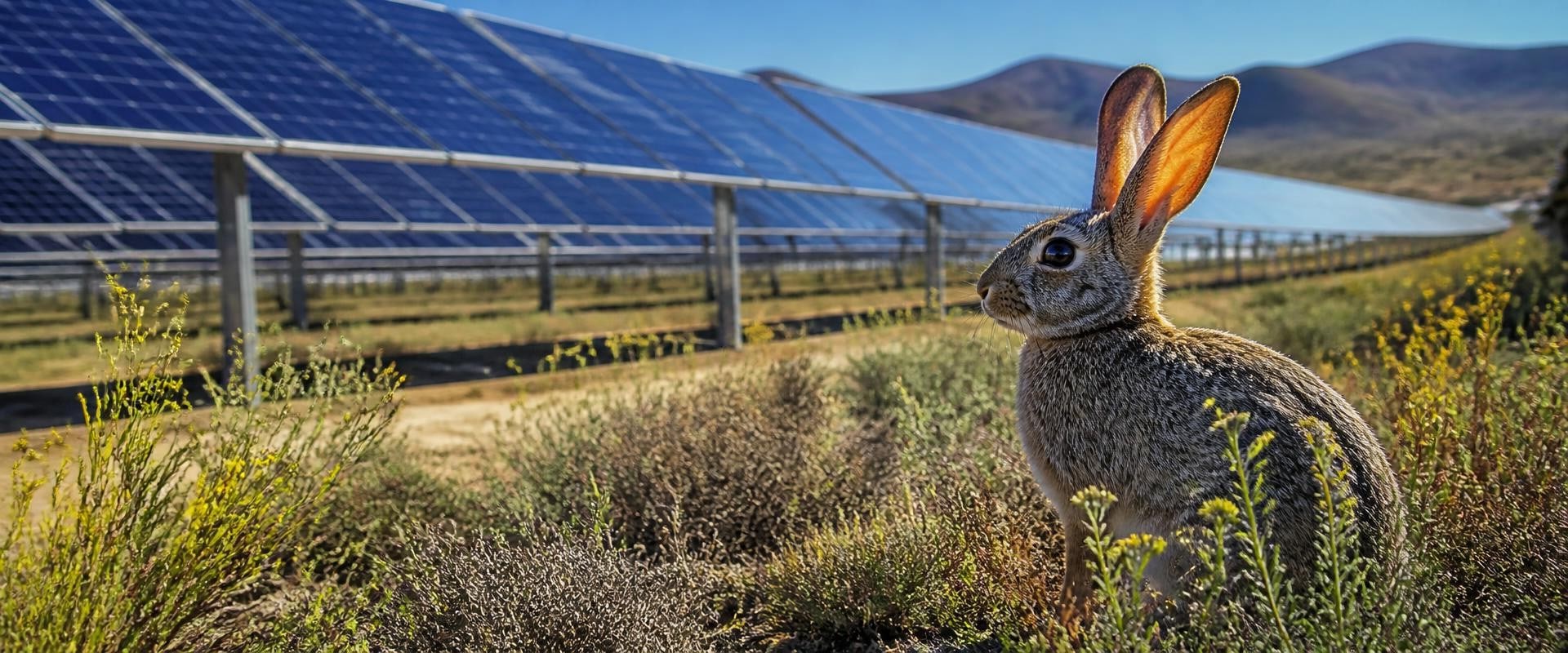
This article delves into the multifaceted effects of solar farms on wildlife, examining both the challenges they pose and the potential benefits they can provide. One of the most pressing concerns regarding solar farms is habitat disruption. The construction and operation of these facilities often require large areas of land, which can lead to the displacement of native species and alteration of ecosystems. For instance, in San Diego County, species such as the California gnatcatcher and desert tortoise, both of which are considered sensitive to habitat changes, may face challenges due to land use changes associated with solar farm development. The removal of vegetation for solar panel installation can fragment habitats, making it difficult for wildlife to find food and shelter. Moreover, solar farms can change local land use patterns, potentially leading to increased human-wildlife interactions.
As these installations attract more visitors for educational purposes or recreational activities, this can disturb local fauna. Species such as the coyote or bobcat, which roam these areas, may experience stress from increased human presence or vehicular traffic. On a more positive note, solar farms can also create new habitats. The installation of solar panels can lead to the establishment of grasslands or pollinator-friendly landscapes beneath and around them. For instance, some developers are integrating native plants that attract bees and butterflies, thereby enhancing biodiversity in these areas.
This approach is gaining traction in San Diego as part of broader efforts to promote wildlife conservation while advancing renewable energy initiatives. The intersection of solar energy development and wildlife conservation is becoming increasingly relevant in light of current trends and policies. As California continues to push for aggressive renewable energy targets, incentives for solar farm development have surged. These policies not only encourage the growth of solar installations but also stimulate discussions on how to harmonize such developments with wildlife conservation efforts. Environmentalists are calling for comprehensive assessments that evaluate potential impacts on local ecosystems before projects are approved. Concerns from environmental advocates often center around ensuring that developers implement effective mitigation strategies to minimize negative impacts on wildlife.
This includes conducting thorough environmental impact assessments (EIAs) and engaging with local conservation groups during the planning stages. Developers are increasingly recognizing the importance of these practices, implementing measures such as creating wildlife corridors or setting aside conservation lands to offset habitat loss. Recent news from San Diego Solar News indicates that local policymakers are beginning to take these concerns seriously. New regulations may soon require solar projects to demonstrate how they will protect sensitive species and their habitats as part of the approval process. Additionally, community involvement in the planning phases of solar farm developments is being encouraged, ensuring that voices advocating for wildlife conservation are heard. The balance between expanding renewable energy infrastructure and protecting local wildlife is a complex issue that requires ongoing dialogue and collaboration among stakeholders.
As solar energy trends continue to evolve in San Diego, it is essential to remain vigilant about the ecological implications of solar farms while also recognizing their potential benefits for clean energy production. By fostering a collaborative approach between developers, environmentalists, and policymakers, there is hope for a future where both renewable energy and wildlife conservation can thrive harmoniously.
Current Policies and Incentives
As solar energy gains traction in San Diego, San Diego Solar News provides crucial insights into the evolving landscape of policies and incentives that govern solar farms. Local and state regulations are increasingly prioritizing sustainability, emphasizing not only the need for renewable energy sources but also the importance of protecting local ecosystems. Recent developments have introduced various incentives aimed at promoting solar installations while addressing wildlife conservation concerns. The California Public Utilities Commission (CPUC) has been actively updating its guidelines to streamline the permitting process for solar farms.These updates include measures that require developers to assess potential impacts on local wildlife habitats before construction begins. In addition, new state incentives encourage solar farm projects to incorporate wildlife-friendly designs and practices, such as installing fencing that allows for safe passage of smaller animals and maintaining native vegetation to support biodiversity. Furthermore, local agencies in San Diego are collaborating with environmental organizations to create frameworks that ensure solar developments do not disrupt critical wildlife corridors. This partnership aims to balance the urgent need for renewable energy with the responsibility to protect local fauna. As a result, projects that demonstrate a commitment to wildlife preservation may be eligible for additional grants and funding, making them not only environmentally responsible but also financially viable. In conclusion, as stakeholders navigate the intersection of renewable energy and wildlife conservation, staying informed about these policies and incentives is essential.
For more updates on how solar energy initiatives are shaping the local ecosystem, continue following San Diego Solar News, your go-to source for comprehensive solar energy coverage in San Diego.
Mitigation Strategies
As solar farms continue to gain traction in San Diego, it is crucial to address their potential impact on local wildlife. To ensure that the benefits of renewable energy do not come at the expense of biodiversity, developers can implement various mitigation strategies that minimize negative effects on wildlife habitats. One effective strategy is conducting thorough environmental impact assessments before construction begins. These assessments can identify sensitive habitats and species that may be affected by solar farm development. By understanding the local ecosystem, developers can design projects that avoid critical habitats and reduce fragmentation. Another important approach is to incorporate wildlife-friendly designs into the layout of solar farms.For instance, creating buffer zones with native vegetation around the perimeter of the solar array can provide habitat for local fauna. Additionally, developers can consider elevating solar panels to allow for ground-level vegetation growth, which can support insects and small mammals. Implementing monitoring programs post-construction is also vital. By tracking wildlife populations and behaviors, developers can assess the effectiveness of their mitigation strategies and make necessary adjustments. This ongoing evaluation helps ensure that solar farms coexist harmoniously with local ecosystems. Furthermore, engaging with local conservation organizations during the planning stages can provide valuable insights and resources.
Collaborating with experts in wildlife conservation can lead to innovative solutions tailored to specific ecological concerns in the San Diego area. Ultimately, adopting these mitigation strategies not only helps protect local wildlife but also enhances the overall sustainability of solar energy projects. As readers of San Diego Solar News will see, responsible development practices are essential for balancing renewable energy goals with ecological preservation.
Potential Benefits for Wildlife
The conversation surrounding the impact of solar farms on wildlife often centers on potential harms, but it is essential to recognize that these installations can also offer significant benefits to certain species and ecosystems. As highlighted by resources like San Diego Solar News, solar farms can create new habitats that may support biodiversity, especially in areas where traditional habitats have been lost due to urban development or agricultural expansion. For instance, the open spaces of solar farms can provide shelter and nesting sites for various bird species. Some solar installations incorporate native vegetation in their design, which not only enhances the aesthetic appeal but also creates a thriving ecosystem that supports pollinators and other wildlife.These areas can serve as critical refuges for species that require specific habitats that are becoming increasingly scarce. Moreover, solar farms can contribute positively to local ecosystems by promoting the growth of native plant species. The installation of solar panels often leads to reduced land disturbance compared to conventional agricultural practices, which can help preserve soil health and water quality. This, in turn, can benefit a range of organisms dependent on these healthy ecosystems. Additionally, certain studies suggest that solar farms can enhance the resilience of local wildlife populations by providing ecological corridors. These corridors facilitate movement between fragmented habitats, allowing for better genetic diversity and adaptation among species.
Overall, while it is crucial to assess the impact of solar farms on wildlife comprehensively, there are numerous instances where these renewable energy projects can play a role in supporting and enhancing local biodiversity. In summary, as we continue to explore the relationship between solar energy and wildlife, resources such as San Diego Solar News will provide valuable insights into how these systems can be designed and managed to maximize benefits for both renewable energy production and ecological health.
Understanding Habitat Disruption
The construction and operation of solar farms can significantly alter local ecosystems, leading to various forms of habitat disruption. As the demand for renewable energy sources continues to rise, particularly in regions like San Diego, solar farms are becoming more prevalent. However, the expansion of these facilities brings forth critical ecological considerations that must be addressed. San Diego Solar News aims to shed light on these impacts, providing insights into how solar farms interact with local wildlife and their habitats. One primary concern associated with solar farm development is land use change.When large tracts of land are cleared for solar panels, this can lead to the loss of native vegetation and disrupt the intricate balance of local ecosystems. Many species rely on specific habitats for food, shelter, and breeding. The removal of these habitats can lead to a decline in local wildlife populations, particularly for species that are already vulnerable or threatened. Moreover, the construction phase itself can cause immediate disturbances. Heavy machinery and construction activities generate noise and vibrations, which can drive wildlife away from their natural habitats.
This is especially concerning for sensitive species that may be less adaptable to sudden changes in their environment. In addition, the presence of workers and ongoing maintenance activities can further stress local wildlife, potentially leading to alterations in behavior and migration patterns. The operational phase of solar farms also poses risks to wildlife. For instance, solar panels can create heat islands that may alter local microclimates. These changes can affect plant growth and water availability, which in turn impacts the animals that depend on these resources.
Furthermore, reflective surfaces may disorient birds and other flying animals, increasing the risk of collisions. In summary, while solar farms play a crucial role in advancing renewable energy initiatives in San Diego, it is essential to recognize and mitigate their potential impacts on local wildlife and ecosystems. Understanding these effects is vital for developing strategies that balance energy needs with environmental conservation. As we explore further into this topic, San Diego Solar News will continue to provide updates and information about the ongoing dialogue surrounding solar energy and its ecological implications. In conclusion, the impact of solar farms on wildlife presents a complex interplay between the urgent need for renewable energy and the necessity for environmental stewardship. Throughout this article, we explored various facets of this topic, including the challenges of habitat disruption, the potential benefits these installations can offer to local ecosystems, and the mitigation strategies that can help minimize adverse effects.
Furthermore, we examined current policies and incentives aimed at promoting sustainable solar energy development while protecting wildlife. It is vital for residents and stakeholders in San Diego to stay informed about these developments, as the landscape of solar energy continues to evolve. By keeping up with updates from San Diego Solar News, readers can better understand how changes in policies and practices affect both renewable energy initiatives and local wildlife conservation efforts. Staying informed empowers us to make balanced decisions that support both our energy needs and the health of our environment.