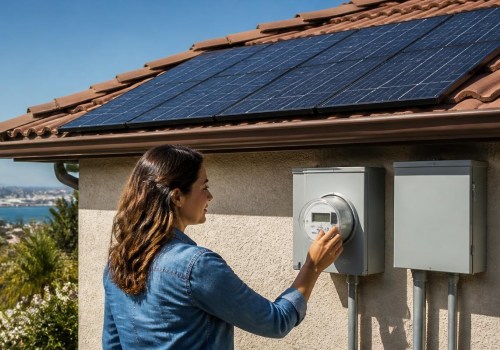
As the world increasingly recognizes the importance of sustainable energy solutions, San Diego Solar News is at the forefront of informing local residents about the dynamic landscape of solar energy. The shift towards decentralized energy systems is not just a trend; it represents a fundamental change in how we think about energy production and consumption. In San Diego, where abundant sunshine is a natural resource, this shift holds particular promise. Decentralized energy systems empower homeowners and businesses to generate their own electricity, reducing reliance on traditional utility grids and fostering a more resilient energy ecosystem. The concept of decentralization in energy systems refers to the transition from centralized power generation—typically dominated by large utility companies—to localized, smaller-scale energy production.
This approach allows for greater efficiency, enhanced energy security, and the potential for significant cost savings. As San Diego continues to embrace solar technology, understanding the implications of these developments on utility rates and policies becomes crucial for both consumers and industry stakeholders. In this article, we will explore how decentralized energy systems are shaping the future of solar energy in San Diego. We will delve into the benefits of solar integration, the evolving regulatory landscape, and how these changes impact utility rates for residents. With insights from San Diego Solar News, readers will gain a comprehensive understanding of what these shifts mean for the future of energy in our community. The current landscape of solar energy in San Diego is rapidly evolving, driven by a combination of favorable policies, technological advancements, and an increasing awareness of the environmental benefits of renewable energy.
As residents and businesses look to reduce their carbon footprints and energy costs, the role of decentralized energy systems is becoming more significant. For those seeking up-to-date information on solar developments, San Diego Solar News serves as an invaluable resource, providing insights into the latest incentives and policy changes that impact solar adoption in the region. Recent changes in incentives have played a crucial role in promoting the adoption of solar energy in San Diego. The federal solar investment tax credit (ITC) has been a major driver, allowing homeowners to deduct a substantial percentage of their solar installation costs from their federal taxes. In addition, local incentives offered by the state of California have made it even more attractive for residents to invest in solar technology.
These incentives not only help offset the initial costs but also contribute to the long-term savings that come with harnessing solar energy. Another critical aspect of the solar landscape in San Diego is net metering policies. Net metering allows solar users to sell excess energy generated by their systems back to the grid, creating a credit that offsets their electricity bills. This system significantly benefits homeowners and businesses by providing a financial incentive to install solar panels, thus encouraging more installations. The importance of net metering cannot be overstated, as it directly influences the return on investment for solar systems and enhances the overall appeal of adopting renewable energy solutions. Battery storage options are also transforming how solar energy is utilized in San Diego. These incentives not only help offset the initial costs but also contribute to the long-term savings that come with harnessing solar energy. Another critical aspect of the solar landscape in San Diego is net metering policies. Net metering allows solar users to sell excess energy generated by their systems back to the grid, creating a credit that offsets their electricity bills. This system significantly benefits homeowners and businesses by providing a financial incentive to install solar panels, thus encouraging more installations. The importance of net metering cannot be overstated, as it directly influences the return on investment for solar systems and enhances the overall appeal of adopting renewable energy solutions. Battery storage options are also transforming how solar energy is utilized in San Diego.
With advancements in battery technology, residents and businesses now have access to reliable storage solutions that allow them to store excess energy generated during sunny days for use at night or during cloudy periods. Options like lithium-ion batteries have become increasingly popular due to their efficiency and capacity to integrate seamlessly with solar systems. This not only increases the viability of solar energy but also contributes to a more resilient and decentralized energy system. Local initiatives exemplifying the shift towards decentralized energy systems can be seen throughout San Diego. Community solar projects are gaining traction, enabling multiple households to share in the benefits of a single solar installation.
These projects foster community engagement while promoting sustainable practices. Furthermore, local governments are exploring policies that support microgrids—localized networks that can operate independently from the larger grid—enhancing energy security and reducing reliance on centralized power sources. Despite these positive developments, potential challenges remain for users considering solar energy. Regulatory changes can pose uncertainties for prospective solar adopters, as shifts in policies may affect incentive programs or net metering arrangements. Additionally, market fluctuations can influence equipment prices and installation costs, which may deter some homeowners and businesses from making the switch to solar.
However, staying informed through resources like San Diego Solar News can help mitigate these concerns by providing timely updates and expert analysis on emerging trends and policies. In conclusion, while there are challenges associated with the transition to decentralized energy systems, the momentum behind solar energy adoption in San Diego is clear. With supportive policies, innovative technologies, and a community eager to embrace sustainable practices, the future of solar energy looks bright for both residents and businesses in this vibrant region.
Incentives and Policies for Solar Energy in San Diego
As decentralized energy systems gain traction, understanding the incentives and policies supporting solar energy in San Diego is crucial for homeowners and businesses.San Diego Solar News
serves as a valuable resource for staying updated on these developments. The city has become a leader in solar energy adoption, thanks in part to various state and local programs designed to encourage this transition. The California Solar Initiative (CSI) offers significant rebates for residential and commercial solar installations, making it more affordable for property owners to invest in solar energy.Additionally, the Self-Generation Incentive Program (SGIP) provides financial incentives for installing energy storage systems, which are increasingly important as more households adopt solar technology. Local programs also contribute to this landscape. For instance, the San Diego Community Power program aims to provide cleaner energy options while supporting local solar initiatives. Moreover, net metering policies allow homeowners with solar panels to sell excess energy back to the grid, further incentivizing the shift toward decentralized energy systems. For those interested in understanding how these incentives can impact their energy choices, San Diego Solar News offers insights into the latest developments and how they can benefit both homeowners and businesses in the region.
The Role of Battery Storage in Solar Energy
As San Diego continues to embrace the shift towards decentralized energy systems, battery storage solutions play a crucial role in maximizing the benefits of solar energy. For those interested in the latest developments, San Diego Solar News serves as an essential resource, providing updates on battery technology and its implications for local homeowners and businesses. There are various battery storage solutions available for solar users in San Diego, each with unique benefits that contribute to energy independence.One popular option is lithium-ion batteries, which are known for their efficiency and compact design. These batteries store excess solar energy generated during the day for use during the night or during periods of high demand. This capability not only helps reduce reliance on the grid but also enables homeowners to save on electricity costs by using stored energy when utility rates peak. Another emerging solution is flow batteries, which offer a longer lifespan and can be easily scaled to meet larger energy needs. These batteries are particularly advantageous for businesses with substantial energy consumption, allowing them to maintain operational continuity even during power outages or grid failures.
By investing in such technologies, users can further enhance their energy independence and contribute to a more resilient energy system in San Diego. In addition to these technologies, advancements in smart battery management systems are optimizing how energy is used and stored. These systems can analyze usage patterns and adjust charging cycles accordingly, ensuring that solar energy is utilized most efficiently. As interest in decentralized energy systems grows, staying informed through platforms like San Diego Solar News will help residents and businesses make informed choices about battery storage options that best suit their needs.
Net Metering: What You Need to Know
Net metering is a crucial policy for homeowners and businesses in San Diego considering solar energy installations. It allows customers who generate their own electricity from solar panels to feed excess energy back into the grid, receiving credits on their utility bills.This system not only incentivizes solar adoption but also plays a significant role in the economic feasibility of solar investments. In San Diego, net metering policies are governed by the California Public Utilities Commission (CPUC) and are designed to support the growth of decentralized energy systems. Under these policies, homeowners can offset their energy costs by earning credits for the surplus electricity they produce. These credits can then be used to reduce future utility bills, especially during peak energy usage times when rates tend to be higher. For residents of San Diego, understanding the specifics of net metering is essential. The current policy allows for a one-to-one credit system, meaning that every kilowatt-hour (kWh) of energy you contribute to the grid earns you a kWh credit on your bill.
However, it's important to stay updated on any changes to these policies, as they can impact both current and prospective solar users. Resources like San Diego Solar News provide valuable insights and updates regarding net metering and other related topics. One significant implication of net metering is its potential to enhance the return on investment (ROI) for solar installations. By effectively lowering monthly energy expenses, homeowners can recoup their initial investment more quickly. Furthermore, as more people turn to renewable energy sources, net metering contributes to a more sustainable and resilient energy grid.
As such, those considering solar installations in San Diego should closely examine how net metering policies can benefit them.
Understanding Decentralized Energy Systems
Decentralized energy systems refer to energy production and distribution frameworks that allow for the generation of electricity at or near the point of use, rather than relying solely on centralized power plants. This shift is particularly relevant to solar energy, especially in a sun-soaked region like San Diego, where homeowners and businesses are increasingly looking to harness the abundant solar resources available to them. San Diego Solar News serves as a vital resource for staying updated on developments in this area, including new technologies and policies that support decentralized energy initiatives. The significance of decentralized energy systems lies in their ability to empower local energy production and consumption. By enabling individuals and communities to generate their own electricity through solar panels and other renewable sources, these systems foster energy independence and resilience.This local generation not only reduces transmission losses associated with long-distance electricity transport but also promotes a sustainable energy model that aligns with the growing environmental consciousness among San Diego residents. Moreover, as decentralized systems gain traction, they create opportunities for innovative business models and community engagement. Homeowners can take advantage of net metering policies that allow them to sell excess energy back to the grid, thus providing an economic incentive for solar adoption. In addition, businesses can explore partnerships with local solar providers to enhance their sustainability efforts while reducing operational costs. As more people become aware of these benefits, the interest in decentralized energy systems continues to rise. In conclusion, decentralized energy systems represent a pivotal shift in how we approach energy production and consumption.
With the encouragement of resources like San Diego Solar News, residents are better equipped to navigate this transition and contribute to a more sustainable future.
Future Trends in Solar Energy Integration
As the landscape of energy consumption evolves, decentralized energy systems are becoming increasingly significant in the integration of solar energy. In San Diego, where sunshine is abundant and solar adoption is on the rise, the future of utility rates will likely be shaped by these emerging trends. According to San Diego Solar News, staying informed about these developments is crucial for homeowners and businesses looking to harness the benefits of solar energy. One of the key trends in this area is the implementation of smart grid technology. This technology enables two-way communication between utilities and consumers, facilitating better management of energy resources.Homeowners with solar panels can not only generate their own electricity but also sell excess energy back to the grid, thus altering traditional utility rate structures. As more residents adopt solar energy solutions, utilities may need to reconsider how they price energy consumption and distribution. Another notable trend is the rise of battery storage systems. These systems allow homeowners to store surplus energy generated during peak sunlight hours for use during times of higher demand or when sunlight is not available. The increasing affordability and efficiency of battery technology will enhance the viability of decentralized energy systems, which in turn could lead to significant changes in utility billing practices.
As San Diego Solar News highlights, this shift could empower consumers and encourage further investments in renewable energy. Additionally, community solar projects are gaining traction as a way to promote inclusivity in solar energy access. These initiatives allow multiple participants to invest in a shared solar installation, benefiting those who may not have suitable rooftops for solar panels. As these projects proliferate, they will not only democratize access to solar energy but also challenge existing utility rate models by creating new revenue streams and shared savings opportunities. Ultimately, the integration of solar energy within decentralized systems will not only transform how energy is produced and consumed but also reshape the financial landscape for utilities. With ongoing advancements and increased public interest in renewable resources, San Diego stands at the forefront of this evolution.
For those wishing to stay updated on these transformative trends, San Diego Solar News remains an invaluable resource. In conclusion, the shift towards decentralized energy systems is transforming the landscape of solar energy in San Diego. Throughout this article, we have explored various facets of decentralized energy systems, including the incentives and policies that support solar energy development in the region. We discussed the essential role of net metering and battery storage in enhancing the effectiveness of solar installations. As homeowners and businesses increasingly adopt these technologies, it is crucial to stay informed about the evolving policies and innovations that can impact their investments. For those interested in keeping up with the latest developments in solar energy, we highly recommend following San Diego Solar News.
This valuable resource provides timely updates and insights into the solar industry, ensuring that readers are well-equipped to navigate the changing landscape of energy in San Diego.