As the demand for renewable energy sources continues to rise, many homeowners in San Diego are exploring the benefits of solar installation. At San Diego Solar News, we understand that financing options play a crucial role in making solar energy accessible to everyone. With the increasing awareness of environmental sustainability and the potential for significant savings on energy bills, understanding the various financing avenues available for solar installation has never been more important. In this article, we will delve into the diverse financing options available for solar installation in San Diego, from traditional loans to innovative leasing agreements. We aim to provide you with the knowledge you need to make informed financial decisions that align with your goals and budget.
Whether you are a homeowner looking to reduce your carbon footprint or a business seeking cost-effective energy solutions, our comprehensive guide will equip you with the insights needed to navigate the financial landscape of solar installation. Stay tuned as we explore these financing options in detail, ensuring that you have all the information necessary to take the next step toward harnessing the power of solar energy in your home or business. In San Diego, the importance of solar energy has grown significantly, not just as a sustainable energy source but also as a means to reduce electricity costs for homeowners and businesses alike.
Financing options for solar installation
play a crucial role in making solar energy accessible to a broader audience. As a reliable resource for the latest updates on solar financing options, incentives, and policies, San Diego Solar News provides valuable insights that can help potential solar adopters navigate the financial landscape. When it comes to financing solar installations, there are several viable options available, each catering to different financial situations. One of the most straightforward methods is a cash purchase.This option allows homeowners to pay for their solar systems outright, which often results in the lowest overall cost due to the absence of financing fees. However, the significant upfront investment can be a barrier for many. On the other hand, solar loans provide an alternative by allowing homeowners to finance their systems over time. While this option means paying interest and potentially increasing the total cost, it usually requires less upfront capital and can still lead to substantial savings on electricity bills. Another popular financing option is leasing.
With a solar lease, homeowners can install solar panels with little to no upfront cost while paying a fixed monthly fee to use the system. This arrangement allows them to benefit from solar energy without the burden of ownership responsibilities. However, since they do not own the system, they may miss out on certain incentives and rebates available to buyers. Power Purchase Agreements (PPAs) function similarly to leases; however, rather than paying a fixed monthly rate, homeowners pay for the electricity generated by the solar system at a predetermined rate.
This can lead to savings compared to traditional utility rates but again comes with its own set of drawbacks regarding ownership and incentives. In addition to these financing options, potential buyers should also consider current incentives available in San Diego that can significantly reduce the upfront costs of solar installation. The federal tax credit allows homeowners to deduct a percentage of their solar installation costs from their federal taxes, providing substantial savings. Additionally, local rebates and state incentives further enhance affordability. With these incentives factored in, many homeowners find that financing becomes much more manageable. California's net metering policies also play a pivotal role in influencing homeowners' decisions to go solar. This can lead to savings compared to traditional utility rates but again comes with its own set of drawbacks regarding ownership and incentives. In addition to these financing options, potential buyers should also consider current incentives available in San Diego that can significantly reduce the upfront costs of solar installation. The federal tax credit allows homeowners to deduct a percentage of their solar installation costs from their federal taxes, providing substantial savings. Additionally, local rebates and state incentives further enhance affordability. With these incentives factored in, many homeowners find that financing becomes much more manageable. California's net metering policies also play a pivotal role in influencing homeowners' decisions to go solar.
Net metering allows residential solar users to sell excess energy back to the grid, effectively offsetting their electric bills. This policy not only enhances the financial appeal of solar installations but also contributes to energy independence. Battery storage options are another aspect worth considering when exploring financing for solar installations. While adding battery storage can increase the initial investment required for a solar system, it provides homeowners with energy independence by storing excess energy generated during the day for use at night or during outages. Over time, this can lead to significant long-term savings and enhanced reliability. Examples from local residents and businesses illustrate how these financing options have been effectively utilized in San Diego.
For instance, many homeowners have opted for solar loans or PPAs, allowing them to install solar systems without hefty upfront costs while still benefiting from lower electricity bills. Businesses have similarly leveraged cash purchases or leases to maximize their return on investment through reduced operational costs. Despite these advantages, potential objections regarding upfront costs or complexities associated with financing remain prevalent among readers. It's essential to address these concerns head-on by emphasizing that multiple financing options exist tailored to various financial situations. Moreover, staying informed through resources like San Diego Solar News can help demystify any complexities surrounding solar financing and ensure homeowners make informed decisions about their transition to renewable energy.
The Role of Battery Storage in Financing
As homeowners and businesses in San Diego explore their financing options for solar installation, understanding the role of battery storage becomes increasingly important.Battery storage systems can significantly influence overall savings and financing decisions by allowing users to store excess energy generated during peak sunlight hours for later use. This capability not only maximizes energy efficiency but also enhances the financial viability of solar installations. Investing in a battery storage system can lead to substantial long-term savings by reducing reliance on grid power, especially during peak demand times when electricity prices are higher. Additionally, many financing options available for solar installations also encompass battery storage solutions, providing a holistic approach to energy management. It’s essential for potential solar adopters to consider these options carefully, as integrating battery storage may qualify them for various incentives and rebates. Moreover, San Diego Solar News serves as a valuable resource for homeowners seeking the latest updates on battery storage technologies, financing options, and available incentives.
By staying informed through local news outlets like San Diego Solar News, individuals can make educated decisions that align with their financial goals while contributing to a more sustainable future. Ultimately, the addition of battery storage can enhance the attractiveness of financing options by providing an avenue for increased energy independence and cost savings. As solar technology continues to advance, homeowners should explore how these systems can fit into their overall solar financing strategy.
Net Metering Policies Explained
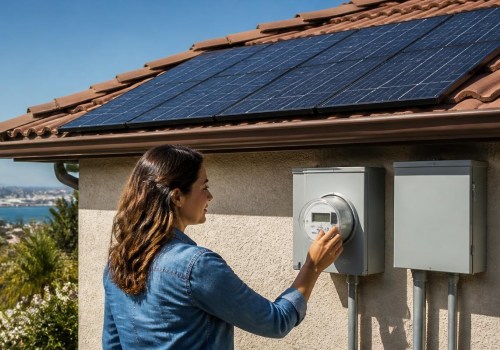
Net metering is an essential policy for homeowners and businesses who invest in solar energy systems. It allows solar owners to receive credit for the excess electricity their systems produce and feed back into the grid. This not only promotes the use of renewable energy but also significantly impacts the financial aspect of solar installations.In San Diego, where sunshine is abundant, understanding net metering can lead to substantial savings on energy bills. Under net metering policies, when your solar panels generate more electricity than you consume, the excess power is sent to the utility grid. In return, you receive credits that can offset future energy use, allowing you to draw from the grid during times when your system isn’t producing enough electricity, such as at night or on cloudy days. This mechanism effectively transforms your electric meter into a two-way device that tracks both the energy consumed and the surplus energy generated. The financial impact of net metering can be significant. For many homeowners in San Diego, this means lower monthly utility bills and a faster return on investment for their solar installation.
As a result, net metering policies have been a driving force behind the increasing adoption of solar energy in the region. Additionally, staying informed about changes in net metering rules is crucial, as these can affect the overall savings potential. Resources like San Diego Solar News provide valuable updates on these policies, helping residents navigate their options and maximize their benefits. In conclusion, understanding how net metering works is vital for anyone considering a solar installation. By taking advantage of this policy, solar owners can enjoy reduced energy costs and contribute to a more sustainable energy future in San Diego.
Incentives and Rebates in San Diego
In San Diego, the transition to solar energy is not only beneficial for the environment but also comes with a variety of financial incentives that make it more accessible for homeowners and businesses.Understanding these incentives is crucial for maximizing savings on solar installation costs.
San Diego Solar News
serves as an invaluable resource, keeping residents informed about the latest updates on these financial opportunities. One of the most significant incentives available is the California Solar Initiative (CSI), which offers cash rebates for solar installations. Homeowners can receive rebates based on the size of their solar system and its expected energy output. This program aims to encourage the adoption of solar energy by providing financial assistance at the outset. Additionally, residents can take advantage of the Federal Investment Tax Credit (ITC), which allows homeowners to deduct a percentage of their solar installation costs from their federal taxes.This credit significantly reduces the overall cost and makes solar energy a more affordable option. Another important incentive is net metering, which allows solar customers to receive credits for excess electricity generated by their systems and fed back into the grid. This can lead to substantial savings on utility bills, especially during peak usage times when electricity rates are higher. Moreover, local programs such as PACE financing (Property Assessed Clean Energy) enable homeowners to finance solar installations through property taxes, spreading payments over time while benefiting from immediate energy savings. This option is particularly appealing for those who may not have the upfront capital to invest in solar technology. As interest in solar energy continues to grow in San Diego, staying updated on the evolving landscape of incentives and rebates becomes essential. For comprehensive information and updates, San Diego Solar News remains a trusted source for residents looking to explore all available financing options.
Understanding Solar Financing Options
When considering a solar installation in San Diego, understanding the various financing options available is essential for homeowners and businesses alike.With the increasing demand for renewable energy sources, San Diego Solar News serves as an invaluable resource, providing updates on financing options, incentives, and policies that can help make solar energy more accessible. There are several primary financing options for solar installations:
- Cash Purchase: This is the simplest option where homeowners pay for the solar system upfront. While it requires a significant initial investment, this option allows for complete ownership of the system, leading to immediate savings on electricity bills and potential tax benefits.
- Solar Loans: For those who prefer not to pay upfront, solar loans are a popular choice. These loans allow homeowners to finance the cost of the solar installation over time, typically with fixed monthly payments. Many lenders offer specific solar loan products with competitive interest rates and terms designed for solar projects.
-
Leasing: In a leasing arrangement, a homeowner can install a solar system with little to no upfront cost.
The homeowner pays a monthly fee to use the system while the leasing company retains ownership. This option often includes maintenance and monitoring services, but it may not provide the same level of savings as owning the system outright.
- Power Purchase Agreements (PPAs): Similar to leasing, a PPA allows homeowners to pay for the electricity generated by a solar system installed on their property, rather than paying for the system itself. The monthly payment is based on the amount of energy produced, which can result in lower costs compared to traditional utility rates.
For ongoing updates and insights into local financing opportunities, be sure to check back with San Diego Solar News regularly. In conclusion, navigating the financing options for solar installation in San Diego is essential for homeowners and businesses looking to harness the power of solar energy. We discussed various financing avenues, including available incentives and rebates, the implications of net metering policies, and the growing importance of battery storage in making solar installations more financially viable. Staying informed about these options can significantly impact your decision-making process. As highlighted throughout this article, resources like San Diego Solar News are invaluable for keeping up with the latest updates on solar financing options and policies that may affect potential solar adopters. We encourage you to assess your financial situation carefully and consider which financing option aligns best with your long-term goals for solar energy adoption.