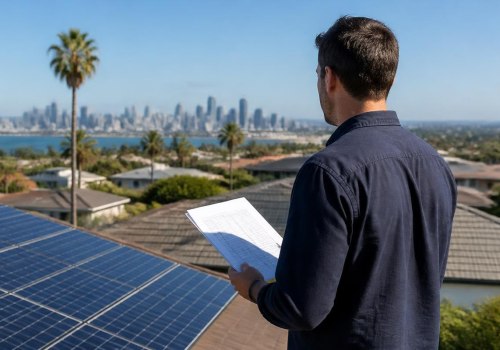
San Diego Solar NewsSan Diego Solar News is committed to providing the latest insights and information on solar energy, and one topic that continues to gain traction among homeowners and businesses alike is the availability of utility rebates for solar installation. As the demand for renewable energy solutions grows, so does the interest in understanding how various incentives can make solar installations more financially viable. In San Diego, a city renowned for its abundant sunshine, the push towards solar energy not only contributes to environmental sustainability but also offers significant economic benefits through utility rebates. In this article, we will delve into the landscape of utility rebates available for solar installations in San Diego. Understanding these rebates is crucial for anyone considering solar energy as a viable option for their home or business.
By exploring the different programs offered by local utility companies, we aim to shed light on how these incentives can reduce upfront costs, enhance return on investment, and ultimately make solar energy more accessible to all San Diegans. With the right knowledge, potential solar customers can navigate the complex world of incentives and make informed decisions that benefit both their wallets and the planet. San Diego is at the forefront of the solar energy revolution, making it an ideal place for homeowners and businesses to explore utility rebates for solar installation. Understanding these rebates is crucial, especially in a landscape that is constantly evolving. With resources like San Diego Solar News, residents can stay informed about the latest developments in solar energy, including updates on utility rebates and incentives that can significantly impact their decisions to invest in solar technology. In San Diego, several utility companies offer various utility rebates designed to encourage the adoption of solar energy.
These rebates typically work by providing financial incentives directly to customers after installation or as part of a net metering arrangement. For instance, SDG&E (San Diego Gas and Electric) has established programs that provide rebates based on the size of the solar system installed. Such incentives can help reduce the initial investment required for solar installation, making it more accessible for many homeowners. Net metering policies also play a significant role in the overall cost-effectiveness of solar installations. Recent changes in net metering regulations can affect how homeowners and businesses receive credits for excess energy generated by their solar systems.
Under the previous net metering policy, customers received full retail credit for surplus energy sent back to the grid. However, adjustments to these policies may reduce that compensation rate, impacting long-term savings. Staying updated through platforms like San Diego Solar News is vital for understanding how these changes might affect potential savings and return on investment. Another important aspect to consider when evaluating utility rebates for solar installation is battery storage. With advancements in battery technology, integrating battery storage systems with solar installations has become increasingly popular.
These systems allow homeowners to store excess energy produced during peak sunlight hours and use it during times when energy generation is low or prices are high. This not only maximizes the use of generated solar energy but also increases independence from the grid, which can be particularly beneficial during power outages or price spikes. For example, a homeowner who invests in a solar installation with a battery storage system can significantly reduce their reliance on grid power and lower their monthly electricity bills. By utilizing available utility rebates, they can offset the costs of both the solar panels and the battery system, making this investment even more appealing. Despite the clear benefits of these programs, some misconceptions persist regarding utility rebates and net metering policies. Some individuals may believe that such incentives are temporary or will diminish over time, leading them to delay their decision to invest in solar energy.
However, the reality is that many utility companies are committed to promoting renewable energy solutions and maintaining supportive rebate programs as part of their long-term strategy. Being proactive and informed can help alleviate these concerns. Moreover, as technology continues to advance and policy frameworks evolve, there may be new opportunities for rebates and incentives that arise. Homeowners and businesses interested in solar installations should regularly check resources like San Diego Solar News to stay abreast of any changes that could benefit their investments. The landscape of utility rebates for solar installation in San Diego is dynamic, presenting both challenges and opportunities for potential investors. By understanding how these rebates work, staying updated on net metering changes, and considering battery storage options, residents can make informed decisions that align with their sustainability goals while maximizing their financial benefits.
Current Incentives and Updates
In San Diego, the landscape of utility rebates for solar installation is continually evolving, reflecting the city's commitment to promoting renewable energy.Homeowners and businesses looking to invest in solar energy should stay informed about the latest incentives offered by local utility companies. Recently, utility companies have updated their rebate programs and policies to make solar installations more accessible and financially viable for residents. One of the key updates includes increased financial incentives for residential solar installations. Utility companies in San Diego have introduced tiered rebate structures that reward early adopters with higher incentives, encouraging homeowners to switch to solar energy sooner rather than later. Additionally, there are ongoing discussions regarding policy adjustments that aim to enhance net metering options, allowing homeowners to receive compensation for excess energy produced by their solar systems. Moreover, San Diego Solar News serves as an invaluable resource for individuals seeking the most up-to-date information on these rebates and incentives.
They provide insights into how changes in utility policies can impact solar energy decisions, ensuring that potential solar customers are well-informed about their options. As the state continues to push for renewable energy adoption, it is crucial for homeowners and businesses in San Diego to understand these evolving utility rebates for solar installation. Keeping abreast of these changes can significantly influence the financial implications of transitioning to solar energy.
Understanding Utility Rebates
Utility rebates are financial incentives offered by utility companies to encourage the adoption of renewable energy sources, such as solar power. These rebates can significantly lower the upfront costs associated with solar installation, making it a more attractive option for both homeowners and businesses in San Diego. As the solar energy landscape continues to evolve, staying informed about available rebates is essential for maximizing savings.A valuable resource for this information is San Diego Solar News, which provides updates on utility rebate programs and other solar-related incentives. Utility rebates typically work by providing a cash-back offer or credit applied to the customer's utility bill after the installation of a solar energy system. This process often involves submitting an application to the utility company, detailing the specifications of the solar system installed. The amount of the rebate can vary based on factors such as system size, energy output, and the specific programs offered by the utility company. The importance of utility rebates in the solar installation process cannot be overstated. These incentives not only reduce the initial investment required but also enhance the overall return on investment (ROI) for solar energy systems.
With rising energy costs and increasing awareness of environmental issues, understanding how these rebates function can play a crucial role in guiding homeowners and businesses toward informed solar energy decisions. Regularly checking resources like San Diego Solar News can help residents stay updated on any changes or new offerings related to utility rebates.
Net Metering Policies Explained
Net metering is a billing arrangement that allows solar energy users in San Diego to receive credit for the excess electricity they produce and feed back into the grid. This policy plays a crucial role in promoting solar energy adoption, as it helps offset the costs of electricity drawn from the utility during times when their solar panels are not generating power, such as at night or during cloudy weather. Homeowners and businesses can benefit significantly from understanding how net metering works and its implications on their overall energy expenses. In San Diego, net metering policies are governed by the California Public Utilities Commission (CPUC), which sets the framework for how utilities compensate solar customers for their contributions to the grid.Under these regulations, solar users are credited at the retail rate for each kilowatt-hour (kWh) of energy they send back to the grid. This means that for every unit of electricity generated by their solar panels, users can effectively reduce their utility bills, making solar installations more financially attractive. However, it's important to note that net metering policies can change over time, which is why staying informed through resources like San Diego Solar News is essential. The site provides updates on any shifts in regulations and insights into how these changes may impact solar energy users. By keeping abreast of developments in net metering, homeowners and businesses can make more informed decisions regarding their solar energy systems and overall energy strategies. In addition to financial benefits, net metering contributes to a cleaner environment by encouraging the use of renewable energy sources.
As more residents and businesses in San Diego embrace solar technology, they not only save on energy costs but also help reduce reliance on fossil fuels, leading to a more sustainable community.
Battery Storage Options
As the adoption of solar energy continues to rise in San Diego, the integration of battery storage solutions has become increasingly important. Homeowners and businesses are now recognizing that pairing solar installations with battery systems can significantly enhance energy independence and reliability.Battery storage
allows users to store excess energy generated during sunny days for use during nighttime or cloudy periods, thus maximizing the efficiency of their solar energy systems. There are several types of battery storage options available in the market today, including lithium-ion batteries, lead-acid batteries, and newer technologies such as flow batteries. Each type comes with its own set of advantages and disadvantages, making it crucial for consumers to assess their individual energy needs and financial considerations before making a selection.For instance, lithium-ion batteries are known for their high energy density and longer lifespan, while lead-acid batteries are more affordable but may require more maintenance over time. Moreover, advancements in battery technology have led to improvements in efficiency and affordability, making these solutions more accessible to San Diego residents. By exploring these battery storage options, homeowners can not only enhance their solar systems' performance but also take advantage of potential utility rebates that may apply to energy storage installations. Staying informed about these incentives is essential, and resources like San Diego Solar News provide valuable insights into the latest developments in solar energy and battery storage trends. Incorporating a battery storage system can also provide backup power during outages, further enhancing the appeal of solar installations in regions like San Diego, which experiences a significant number of sunny days throughout the year. As the solar market continues to evolve, understanding how battery storage complements solar energy systems will be vital for making informed decisions that benefit both homeowners and businesses. In conclusion, we have explored the vital role of utility rebates and incentives in enhancing the accessibility of solar energy for both homeowners and businesses in San Diego.
By understanding the current incentives and updates, including net metering policies and battery storage options, individuals can make informed decisions that align with their energy needs and financial goals. It is crucial to stay informed about these developments as they can significantly impact the overall cost-effectiveness of solar installations. We encourage readers to leverage resources like San Diego Solar News to stay updated on future changes that may affect their solar energy choices. By staying informed, you can take full advantage of the available benefits and make a positive impact on both your finances and the environment.