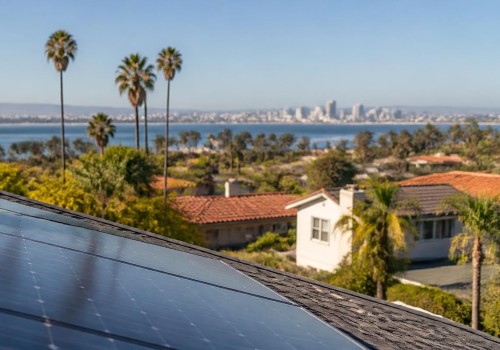
As the demand for renewable energy sources continues to grow, understanding rooftop solar adoption rates by region becomes increasingly vital for homeowners and businesses alike. At San Diego Solar News, we strive to provide our readers with the latest insights and trends in solar energy, particularly as they pertain to the vibrant San Diego community. With a focus on local developments, policies, and innovations, we aim to equip residents with the knowledge they need to make informed decisions about solar energy solutions. The adoption of rooftop solar systems has been on the rise across various regions, driven by factors such as technological advancements, government incentives, and increasing awareness of sustainability. However, the rates of adoption can vary significantly from one area to another, influenced by regional policies, climate conditions, and community engagement.
In this article, we will explore the current trends in rooftop solar adoption rates by region, highlighting key statistics and insights that can help San Diego residents understand where their community stands in relation to others. As we delve into these insights, we will also discuss how local policies and incentives in San Diego are shaping the landscape for potential solar adopters. Understanding these dynamics will not only inform residents about their options but also encourage a broader conversation about the future of renewable energy in our region. Join us as we navigate through the intricacies of rooftop solar adoption and uncover what it means for San Diego's growth in sustainable energy practices.
Rooftop solar adoption rates by region
have become a pivotal topic as homeowners and businesses seek sustainable energy solutions. In San Diego, the significance of this trend is underscored by the growing interest in solar energy, which can lead to substantial savings on energy bills and a reduced carbon footprint.Staying informed about local solar news is essential for residents, as resources like San Diego Solar News provide valuable insights into how changes in policies and technologies can impact solar energy decisions. As of recent data, San Diego has seen impressive growth in rooftop solar adoption, often leading the nation in installation rates. According to the California Solar Statistics, San Diego County accounted for a significant portion of California's solar installations, with thousands of new systems coming online each year. This growth can be attributed to several key factors, including government incentives, favorable net metering policies, and advancements in battery storage technology. Government incentives play a crucial role in driving rooftop solar adoption rates. Programs such as the federal Investment Tax Credit (ITC) allow homeowners to deduct a percentage of their solar installation costs from their federal taxes, making solar more accessible. , often leading the nation in installation rates. According to the California Solar Statistics, San Diego County accounted for a significant portion of California's solar installations, with thousands of new systems coming online each year. This growth can be attributed to several key factors, including government incentives, favorable net metering policies, and advancements in battery storage technology. Government incentives play a crucial role in driving rooftop solar adoption rates. Programs such as the federal Investment Tax Credit (ITC) allow homeowners to deduct a percentage of their solar installation costs from their federal taxes, making solar more accessible.
Additionally, California's state-level initiatives aim to encourage clean energy use and reduce reliance on fossil fuels. These financial incentives significantly lower the upfront costs associated with solar installations, making it an attractive option for many San Diego residents. Net metering policies also significantly influence rooftop solar adoption rates. In California, homeowners with solar panels can sell excess energy back to the grid at retail rates through net metering programs. This arrangement not only helps reduce energy costs but also promotes the installation of solar systems by enhancing their economic viability.
Recent adjustments to net metering policies have sparked discussions among stakeholders, particularly concerning how these changes could affect future adoption rates. Advancements in battery storage technology have further amplified rooftop solar adoption in San Diego. With improved battery solutions, homeowners can store excess energy generated during peak sunlight hours for use later, increasing self-consumption and reducing reliance on the grid. As battery prices continue to decline and efficiency improves, more residents are likely to invest in these systems alongside their rooftop solar panels. When comparing San Diego's solar adoption rates to other regions, it's evident that several areas are catching up. States like New York and Massachusetts have made significant strides due to aggressive renewable energy policies and incentives.
However, San Diego remains a leader due to its favorable climate conditions and strong community support for renewable energy initiatives. Despite these positive trends, potential concerns remain for homeowners and businesses contemplating solar investments. Questions often arise regarding the long-term value of solar systems, the impact of policy changes on financial returns, and how the evolving energy landscape may affect future investments. It is crucial for residents to stay updated through reliable sources such as San Diego Solar News, which offers insights into ongoing developments in the solar sector. In conclusion, while rooftop solar adoption rates are on the rise in San Diego due to favorable government incentives, net metering policies, and technological advancements in battery storage, homeowners and businesses should remain informed about potential market fluctuations and policy changes that could affect their investments. Understanding these dynamics will empower them to make informed decisions about their solar energy options.
The Role of Battery Storage Options
As homeowners and businesses in San Diego consider adopting rooftop solar systems, understanding the significance of battery storage becomes increasingly crucial.Battery storage options allow solar energy users to store excess energy generated during the day for use during the evening or on cloudy days, thereby increasing energy independence and optimizing solar investments. In a region known for its abundant sunshine, such as San Diego, the ability to harness and store energy can lead to significant savings on energy bills and reduce reliance on the grid. Moreover, battery storage enhances the resilience of solar power systems. In instances of power outages or grid failures, homes equipped with battery storage can continue to operate, providing peace of mind to residents. The integration of battery storage with rooftop solar systems not only supports individual energy needs but also contributes to a more reliable energy infrastructure in the community. For those following San Diego Solar News, staying updated on advancements in battery technology and local incentives can provide valuable insights.
As policies evolve, understanding how these changes impact battery storage options will be essential for making informed decisions about solar energy investments.
Understanding Net Metering Policies
Net metering is a crucial aspect of rooftop solar adoption that allows homeowners and businesses with solar panels to receive credit for the excess electricity they generate and feed back into the grid. Essentially, when your solar system produces more energy than your home consumes, the surplus is sent to the grid, and you earn credits that can be used to offset future electricity bills. This system not only incentivizes the installation of solar panels but also contributes to a more sustainable energy grid. In San Diego, changes in net metering policies can significantly impact solar users. For instance, if the local government or utility companies revise the compensation rates for excess energy, it could alter the financial benefits of going solar.Homeowners need to stay informed about these developments because they directly affect the return on investment for solar installations. Resources like San Diego Solar News are invaluable for keeping track of such policy changes and understanding their implications. Furthermore, fluctuations in net metering policies might also influence the overall adoption rates of rooftop solar in San Diego. If the compensation for excess energy is reduced, potential adopters may hesitate to invest in solar technology. Consequently, keeping abreast of local news and updates regarding net metering is essential for anyone considering solar energy solutions.
Current State of Rooftop Solar Adoption in San Diego
The current state of rooftop solar adoption in San Diego reflects a growing trend towards sustainable energy solutions among homeowners and businesses.According to recent data, as of 2023, San Diego has seen a significant increase in rooftop solar installations, with over 150,000 systems currently operational across the region. This represents an impressive growth rate of approximately 25% over the past two years, showcasing the increasing popularity of solar energy. Factors contributing to this rise include a combination of favorable local policies, advancements in solar technology, and increasing public awareness about the benefits of solar energy. Notably, San Diego residents can benefit from various incentives designed to encourage solar adoption, including federal tax credits and state-specific programs that make transitioning to solar more financially accessible. Moreover, the cost of solar panel installation has decreased significantly, making it a more viable option for many homeowners. In fact, average installation prices have dropped by nearly 30% since 2015. This trend is supported by platforms like San Diego Solar News, which provide valuable insights into local solar developments and policy changes that could influence these trends further. As we look ahead, the trajectory for rooftop solar adoption in San Diego seems promising.
With ongoing improvements in technology and continued financial incentives, experts predict that solar installations will continue to grow, making San Diego a leader in renewable energy adoption.
Comparative Analysis of Solar Adoption by Region
The landscape of rooftop solar adoption varies significantly across different regions, influenced by factors such as local policies, climate, and economic conditions. In San Diego, the enthusiasm for solar energy is palpable, driven by a combination of abundant sunshine and supportive local regulations. According to recent data, San Diego ranks among the top cities in the United States for solar installations, with a high percentage of homes equipped with rooftop solar systems. This trend highlights the city's commitment to renewable energy and sustainability. When comparing solar adoption rates in San Diego to other major cities such as Los Angeles, San Francisco, and New York City, it's evident that each region has distinct characteristics shaping its solar landscape.For instance, while Los Angeles boasts a large number of installations due to its vast urban sprawl and favorable solar incentives, San Francisco's focus on innovation and sustainability initiatives also positions it favorably. On the other hand, New York City faces challenges related to space constraints and regulatory hurdles, resulting in lower adoption rates despite strong demand for renewable energy. Additionally, states like Arizona and Texas have emerged as leaders in rooftop solar adoption, driven by their sunny climates and aggressive state-level incentives. Arizona’s policies have facilitated rapid growth in residential solar systems, while Texas benefits from its deregulated energy market. However, when considering these statistics, it’s crucial for residents of San Diego to stay updated on local developments through resources like San Diego Solar News, which provides timely information on policy changes that may affect solar energy decisions. In summary, while San Diego demonstrates impressive solar adoption rates in comparison to other regions, ongoing changes in technology and policy will continue to shape the future of rooftop solar across all areas.
Residents should remain informed about trends and updates in their locality to make the most informed decisions regarding their solar investments.
Incentives Driving Solar Adoption
In San Diego, the rooftop solar adoption rates have seen significant growth, largely fueled by various financial incentives aimed at making solar energy more accessible to homeowners and businesses. Understanding these incentives is crucial for residents looking to make informed decisions about their solar investments. Platforms like San Diego Solar News play a vital role in keeping the community updated on available programs and changes that may affect solar installations. The California Solar Initiative (CSI) is one of the primary state programs that offers substantial rebates for solar panel installations. Homeowners can benefit from cash incentives based on the size of their system, which can significantly reduce the upfront costs associated with going solar.Additionally, California's net metering policy allows homeowners to earn credits for excess energy produced by their solar systems, further enhancing the financial viability of solar adoption. On a federal level, the Investment Tax Credit (ITC) remains a critical incentive. This program allows homeowners to deduct a significant percentage of their solar installation costs from their federal taxes, making it easier for residents to invest in renewable energy solutions. As of now, this credit is set at 26% for systems installed by the end of 2022, gradually decreasing in subsequent years. Keeping track of these incentives through reliable sources like San Diego Solar News ensures that residents are aware of the evolving landscape of solar energy benefits. Additionally, local utility companies often provide their own incentives or rebate programs to encourage solar adoption.
These offerings can vary, so it is beneficial for potential solar users to consult resources like San Diego Solar News to stay updated on any new opportunities. In conclusion, the landscape of rooftop solar adoption rates by region is constantly evolving, particularly in the vibrant community of San Diego. As we have explored throughout this article, understanding local trends and incentives is crucial for homeowners and businesses alike. Staying informed through resources like San Diego Solar News ensures that you are aware of the latest developments in policies, technologies, and market dynamics that can significantly influence your solar energy decisions. As you consider your options for solar energy adoption, reflect on how current trends may impact your choices and investments. Whether it's taking advantage of incentives or understanding the nuances of net metering, every detail matters.
We encourage you to regularly visit San Diego Solar News for up-to-date information and insights that can empower your journey towards sustainable energy solutions.