As the world increasingly turns its gaze towards renewable energy solutions, San Diego Solar News stands at the forefront of informing our community about the latest developments in solar technology and adoption. In a city known for its abundant sunshine, rooftop solar power has emerged as a promising avenue for homeowners and businesses seeking to harness this natural resource. However, despite the potential benefits, many residents of San Diego encounter significant barriers to rooftop solar adoptionbarriers to rooftop solar adoption. These hurdles can range from financial considerations to regulatory challenges, and understanding them is crucial for fostering a sustainable energy future. This article aims to delve into the various obstacles that San Diegans face when considering rooftop solar installations.
By shedding light on these challenges, we hope to provide a clearer picture of the current landscape of solar energy in our region. From misconceptions about costs to the complexities of permitting processes, each barrier presents an opportunity for education and advocacy. As we explore these issues, we encourage readers to think critically about how they can contribute to overcoming these challenges and embrace the potential of solar power. Join us as we navigate the intricacies of rooftop solar adoption and uncover both the hurdles and the pathways that lie ahead. As interest in rooftop solar energy continues to grow in San Diego, fueled by an increasing awareness of environmental issues and the desire for energy independence, it is essential to understand the barriers to rooftop solar adoption.
Resources like San Diego Solar News provide valuable insights into the evolving landscape of solar energy, helping homeowners and businesses navigate the complexities of adopting this renewable source. However, despite the potential benefits, several significant challenges hinder widespread adoption. One of the primary barriers is financial constraints. The high upfront costs associated with installing a rooftop solar system can be daunting for many potential users. Although prices for solar panels have decreased over the years, the initial investment remains substantial.
Moreover, access to financing options can be limited, which further complicates the decision-making process for homeowners and businesses. Many people are unaware of available incentives or financing programs that could alleviate some of these costs, leading to a reluctance to invest in solar technology. In addition to financial barriers, policy-related challenges play a crucial role in shaping the landscape for solar adoption. Changes in net metering policies can significantly impact how much homeowners and businesses save on their energy bills. For instance, if net metering rates are reduced, the financial incentive for installing solar panels diminishes, making it less attractive for potential adopters. Moreover, access to financing options can be limited, which further complicates the decision-making process for homeowners and businesses. Many people are unaware of available incentives or financing programs that could alleviate some of these costs, leading to a reluctance to invest in solar technology. In addition to financial barriers, policy-related challenges play a crucial role in shaping the landscape for solar adoption. Changes in net metering policies can significantly impact how much homeowners and businesses save on their energy bills. For instance, if net metering rates are reduced, the financial incentive for installing solar panels diminishes, making it less attractive for potential adopters.
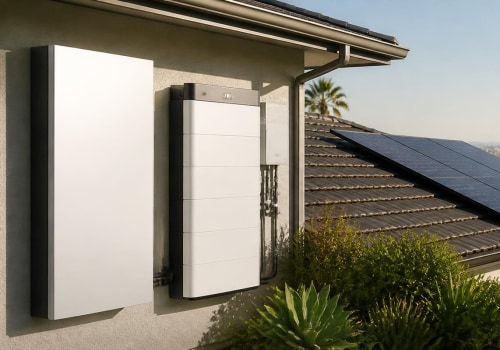
In California, including San Diego, these policy shifts can create uncertainty and anxiety among consumers who rely on stable regulations to make long-term investments. Technological barriers also contribute to the hesitancy surrounding rooftop solar adoption. The complexity of installation and ongoing maintenance can deter potential users who may not have the technical expertise or resources to manage these aspects effectively. Furthermore, concerns about battery storage options and their reliability can pose additional hurdles. While battery storage systems offer a way to store excess energy generated during peak sunlight hours for later use, the perceived difficulties and costs associated with these technologies can dissuade homeowners from proceeding with their solar plans. The perspectives of various stakeholders add depth to the discussion about these challenges.
Homeowners often express frustration over the lack of clear information regarding installation processes and financing options. Local businesses may find themselves grappling with similar issues while trying to adopt solar energy as a means to reduce operational costs. Energy companies also face challenges when navigating policy changes and technological advancements that affect their services and customer relations. As San Diego continues its journey toward greater sustainability through rooftop solar energy, it is vital for all stakeholders to engage in conversations about these barriers. By understanding the financial, policy-related, and technological challenges that exist, we can work collectively to find solutions that promote broader adoption of this renewable energy source.
Resources like San Diego Solar News will play an essential role in this process by keeping the community informed and empowered to make decisions that benefit both their households and the environment.
Financial Challenges
The transition to rooftop solar energy in San Diego, while promising, is often hindered by significant financial challenges. The high initial costs associated with solar installations can be a major barrier for many homeowners and businesses. While the long-term savings on energy bills can be substantial, the upfront investment required for purchasing and installing solar panels may not be feasible for everyone. This is where resources like San Diego Solar News come into play, providing valuable insights into available financing options and incentives that can help alleviate some of these financial burdens. Many potential adopters are unaware of financing options such as solar loans, leases, or power purchase agreements (PPAs) that can make solar energy more accessible.However, even these options may not be accessible to all due to varying credit requirements or income levels. Furthermore, the fluctuations in policy changes regarding incentives and rebates can also create uncertainty, making it difficult for homeowners to commit to such an investment. Understanding these financial challenges is crucial for anyone considering rooftop solar, and staying informed through platforms like San Diego Solar News can empower consumers to make more informed decisions.
Community Perspectives
As the conversation around rooftop solar adoption continues to grow in San Diego, local stakeholders provide valuable insights into their experiences and the challenges they face. Many homeowners express enthusiasm for the potential of solar energy, particularly with the support of resources like San Diego Solar News, which keeps them informed about the latest developments in solar technology and incentives. However, these optimistic sentiments are often tempered by significant barriers.Community members report financial constraints as a major hurdle; the initial investment required for installation can be daunting for many households. Additionally, fluctuations in policy and regulatory environments can create uncertainty, leading potential adopters to hesitate. Stakeholders have pointed out that sudden changes in incentives or net metering policies may dissuade individuals from making the leap to solar energy. Moreover, technological challenges also play a role. Some homeowners worry about the reliability and efficiency of solar systems, particularly in relation to battery storage options.
These concerns are compounded by a lack of awareness about available solutions and innovations that could address such issues. Engaging with local experts and platforms like San Diego Solar News can help bridge this knowledge gap and empower residents to make informed decisions about rooftop solar adoption.
Policy and Regulation Issues
As the interest in rooftop solar energy continues to rise in San Diego, it is essential to address the barriers to rooftop solar adoption, particularly in the realm of policy and regulation. Recent changes in net metering policies in California have sparked significant discussions among homeowners and businesses considering solar energy investments. These policies, which govern how solar energy producers are compensated for the energy they feed back into the grid, play a critical role in determining the financial viability of solar installations. In 2022, California's Public Utilities Commission implemented changes to the existing net metering framework, known as NEM 3.0.This revision has altered the compensation rates for excess energy exported to the grid, resulting in lower payments for solar energy producers compared to previous iterations. For many residents in San Diego, this change raises concerns about the return on investment for installing rooftop solar systems. The decreased financial incentives may dissuade potential adopters from making the switch to solar, as the long-term savings become less attractive. Additionally, these regulatory shifts can create uncertainty in the market, leading homeowners to hesitate when considering solar adoption. Understanding these policy changes is critical for consumers navigating their options.
Resources like San Diego Solar News provide essential updates and insights into how these regulations impact local solar trends, helping residents make informed decisions about their energy future.
Technological Barriers
The adoption of rooftop solar energy in San Diego is increasingly popular, yet various technological barriers can hinder homeowners and businesses from making the switch. As highlighted by San Diego Solar News, understanding these barriers is crucial for informed decision-making. One of the primary concerns is the installation complexity. Many potential users worry about the intricacies involved in setting up a solar energy system on their rooftops. This includes not only the physical installation but also ensuring that the system is properly integrated with existing electrical infrastructure.Homeowners may feel overwhelmed by the technical specifications and requirements needed to achieve a successful installation. Additionally, maintenance poses another significant barrier. After installation, solar systems require ongoing care to ensure optimal performance. Users often question how often maintenance is needed and what costs might be associated with it. The fear of unexpected maintenance expenses can deter potential adopters from making the investment. Finally, battery storage solutions are a critical aspect of rooftop solar systems, especially for those looking to maximize their energy independence.
However, many users express concerns over the efficiency, lifespan, and cost of battery storage options. As battery technology continues to evolve, potential adopters may feel uncertain about selecting the right solution for their needs. Addressing these technological barriers is essential for fostering greater adoption of rooftop solar in San Diego. By providing clear information and resources, such as those available through San Diego Solar News, stakeholders can help mitigate these concerns and encourage more residents and businesses to embrace solar energy. In conclusion, the journey towards widespread rooftop solar adoption in San Diego is not without its challenges. Throughout this article, we have highlighted several key barriers including financial challenges, policy and regulation issues, technological barriers, and the varied community perspectives that shape public opinion and decision-making.
Understanding these hurdles is crucial for homeowners and businesses as they navigate the complexities of transitioning to solar energy. Staying informed through resources like San Diego Solar News is essential, as it provides the latest updates on solar trends, net metering changes, and available incentives. By keeping abreast of these developments, readers can better assess potential solutions and incentives that may help mitigate the challenges discussed. As we look to the future, fostering greater solar adoption will require collective efforts to address these barriers and make solar energy a viable option for all.