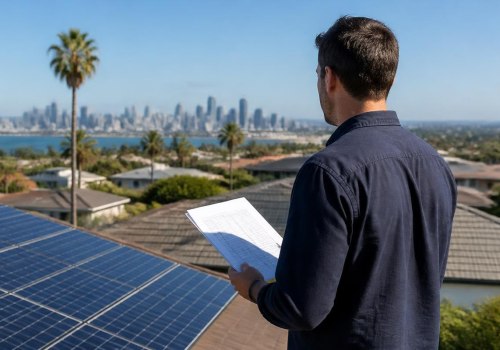
As the world increasingly turns towards sustainable energy solutions, the impact of renewable energy on utility profitsimpact of renewable energy on utility profits has become a critical topic of discussion. In particular, San Diego stands at the forefront of this transformation, with its abundant sunshine and progressive policies aimed at integrating solar power into the local grid.
San Diego Solar News
serves as a vital resource for residents seeking to understand the implications of these changes on their utility rates and service providers. In this article, we will explore how the shift towards renewable energy sources, particularly solar, influences the financial landscape for utility companies in San Diego. With a growing number of homeowners and businesses adopting solar technology, it is essential to analyze how these trends affect traditional revenue models and what it means for consumers in terms of rates and reliability.As we delve into this complex relationship, we will also consider how evolving policies may shape the future of utility services in our region, providing insights that are particularly relevant to our community. The adoption of renewable energy, particularly solar energy, is rapidly changing the landscape of utility profits in San Diego. As homeowners and businesses increasingly turn to solar installations, the dynamics between energy generation and consumption are shifting significantly.
San Diego Solar News
serves as an essential resource for understanding these transformations, providing updates on the latest incentives, net metering policies, and other relevant changes that influence solar energy adoption. At the core of the relationship between renewable energy adoption and utility profits lies the concept of reduced electricity sales. As more customers opt for solar panels, they generate their own electricity, leading to a decrease in demand from traditional utility sources.This decline in sales directly impacts utility revenue, forcing companies to reevaluate their financial models. For example, a recent report indicated that utilities in California are experiencing dwindling revenues as solar installations rise. Consequently, this trend poses a challenge for utilities that rely on consistent income from electricity sales to maintain their operations and infrastructure. In San Diego, recent legislative changes have played a crucial role in accelerating solar adoption. State incentives and local programs aimed at promoting renewable energy have encouraged homeowners and businesses to invest in solar technology.
For instance, initiatives like the California Solar Initiative have provided financial support for solar panel installations. These incentives not only make solar more accessible but also contribute to a growing community of solar users who are less dependent on traditional utilities. However, the shift towards renewable energy has raised concerns among utility companies regarding their profit margins. As utilities see a reduction in their customer base due to increasing self-generation capabilities, they are exploring new business models to adapt to this changing environment. Some utilities are investing in infrastructure upgrades that accommodate distributed generation while others are focusing on energy services beyond electricity sales, such as offering battery storage solutions or demand response programs. The integration of battery storage systems is particularly significant for enhancing grid stability.
By allowing solar users to store excess energy generated during peak sunlight hours, battery systems can help manage load and reduce strain on the grid during high-demand periods. This technology not only benefits consumers but can also create new revenue streams for utilities by providing ancillary services that support grid reliability. Recent studies have highlighted these trends, showcasing how battery storage can complement solar energy adoption. For instance, research from the National Renewable Energy Laboratory suggests that the combination of solar and battery storage could lead to a more resilient grid while simultaneously offering cost savings for both consumers and utilities. One of the critical elements affecting utility profits is net metering policies, which allow solar users to receive credits for excess energy they contribute back to the grid. While these policies promote renewable energy adoption by making solar installations more economically viable, they also create a financial burden for utilities.
Utility representatives often argue that net metering shifts costs onto non-solar customers, leading to higher rates for those who do not have access to solar technology. Conversely, advocates for solar energy contend that net metering is essential for incentivizing renewable energy use and should be preserved to encourage further adoption. They argue that the long-term environmental benefits and reduced carbon emissions associated with increased solar usage outweigh the short-term financial challenges faced by utilities. As San Diego navigates this evolving energy landscape, the dialogue between utility representatives and solar advocates will remain critical in shaping future policies and business models.
San Diego Solar News
continues to provide valuable insights into these discussions, helping residents understand how changes in legislation and incentives can impact both their energy choices and utility costs.Battery Storage: A Game Changer for Utilities
The integration of battery storage systems into the energy landscape is transforming how utilities operate, particularly in regions like San Diego where renewable energy adoption is surging.Battery storage
technologies enable utilities to store excess energy generated during peak solar production hours and release it when demand is high, ensuring a more stable and reliable power supply.This capability is crucial as San Diego homeowners and businesses increasingly turn to solar energy, creating fluctuations in energy production that traditional utility models struggle to manage. As highlighted by San Diego Solar News, the implementation of battery storage not only enhances grid resilience but also presents new opportunities for utilities to optimize their profitability. By balancing supply and demand more effectively, utilities can reduce reliance on fossil fuels, lower operational costs, and potentially increase their profit margins. Moreover, battery systems can alleviate congestion on the grid, which often leads to costly infrastructure upgrades. Utilities that embrace these innovations are better positioned to navigate the evolving energy market. With advancements in battery technology, costs are decreasing while efficiency is increasing, making it a viable option for both large-scale and residential applications.
As San Diego Solar News reports, this shift towards battery storage aligns with broader trends in energy policy and consumer preferences, paving the way for a more sustainable and economically sound future for utility companies.
Incentives and Net Metering Policies
The transition to renewable energy, particularly solar power, has garnered significant attention in San Diego, with many homeowners and businesses eager to capitalize on the benefits of solar installations.San Diego Solar News
serves as an essential resource for navigating the evolving landscape of solar energy incentives and policies. Understanding these incentives can play a critical role in making solar energy systems more accessible and financially viable for residents and enterprises alike. Currently, homeowners and businesses in San Diego can take advantage of several incentives designed to offset the costs associated with solar installations. These include federal tax credits such as the Investment Tax Credit (ITC), which allows consumers to deduct a substantial percentage of the cost of installing a solar energy system from their federal taxes.Additionally, California offers various state-level incentives, including rebates and performance-based incentives that further reduce upfront costs. Another crucial aspect of solar energy adoption is net metering, a policy that allows solar energy system owners to receive credits for the excess electricity they generate and feed back into the grid. In San Diego, net metering enables homeowners to offset their utility bills by accumulating credits for surplus electricity produced during sunny days. This system not only incentivizes the installation of solar panels but also promotes the efficient use of renewable energy resources. As policies evolve, it is important for potential solar customers to stay informed about changes in these incentives and net metering regulations. Regular updates provided by San Diego Solar News can help residents understand how these developments might affect their decisions regarding solar energy investments.
The Economics of Solar Energy Adoption
The growth of solar energy adoption in San Diego has profound financial implications for utilities.As more homeowners and businesses invest in solar systems, the traditional utility model faces significant challenges. With a substantial portion of energy generated from renewable sources, utility companies must navigate a shifting landscape where their revenue structures are impacted by decreasing demand for grid-supplied electricity. One of the primary concerns for utilities is the declining sales of electricity as customers turn to solar power. This shift not only affects their immediate revenue but also complicates long-term financial planning. Utilities rely heavily on fixed-rate structures and demand charges, which may need to be reevaluated in light of increased solar adoption.
Furthermore, as customers generate their own electricity, utilities are left with a smaller customer base contributing to the overall energy grid. Additionally, net metering policies play a crucial role in this equation. In San Diego, these policies allow solar users to send excess energy back to the grid in exchange for credits on their electricity bills. While this incentivizes solar adoption, it also means that utilities may face a shortfall in funds necessary for maintaining infrastructure and providing reliable service. This dynamic is particularly pertinent in discussions around how utilities will adapt their business models to ensure sustainability amidst the renewable energy boom. Utilities are now exploring various strategies to mitigate these financial impacts.
Some are investing in battery storage technologies and demand response programs to enhance grid reliability while accommodating the intermittent nature of solar energy. Others are advocating for new pricing models that fairly compensate both solar users and those who rely on traditional energy sources. In this evolving landscape, resources like San Diego Solar News provide invaluable insights into the ongoing changes in policies and market dynamics affecting both consumers and utility providers alike. Staying informed about these developments can help stakeholders navigate the complexities brought on by the rise of renewable energy.
Future Trends in Utility Rates and Renewable Integration
The landscape of utility rates in San Diego is poised for significant transformation as the integration of renewable energy, particularly solar, becomes increasingly prevalent. As more homeowners and businesses invest in solar energy solutions, the implications for utility profits and pricing structures are profound.This growing interest in renewable energy is reflected in the coverage provided by San Diego Solar News, which serves as an essential resource for local updates on incentives and net metering policies. One major trend to anticipate is the potential shift towards dynamic pricing models that reflect real-time energy supply and demand. As solar energy generation peaks during sunny days, utilities may adopt time-of-use rates that encourage consumers to use energy when it is most abundant, thereby optimizing grid efficiency and reducing reliance on fossil fuels. This could lead to lower overall costs for consumers who are able to adjust their energy usage accordingly. Additionally, as the penetration of distributed energy resources like rooftop solar increases, utilities may face challenges related to revenue stability. Traditional revenue models based on kilowatt-hour sales might become less effective, prompting utilities to explore alternative structures such as fixed monthly charges or subscription-based models.
These changes could help utilities maintain financial health while accommodating the growing demand for renewable energy sources. Furthermore, with advancements in battery storage technology, there is potential for increased adoption of home energy storage systems. This could allow consumers to store excess solar power generated during the day for use at night or during peak demand periods. As more households invest in these technologies, utilities may need to reconsider their rate structures to incentivize efficient energy use and integration of stored energy back into the grid. In summary, as renewable energy continues to gain traction in San Diego, utility rates are expected to evolve in response to changing consumption patterns and technological advancements. The insights provided by San Diego Solar News will be invaluable for both consumers and industry stakeholders looking to navigate this shifting landscape. In conclusion, the impact of renewable energy on utility profits in San Diego is multifaceted and continually evolving.
We have explored the significant economic implications of solar energy adoption, the benefits provided by incentives and net metering policies, and the transformative potential of battery storage technology. As San Diego moves towards a more sustainable energy future, understanding these dynamics is crucial for homeowners and businesses alike. With resources like San Diego Solar News at their disposal, residents can stay informed about the latest developments in solar energy and utility rate structures. This knowledge empowers them to make informed decisions that align with their energy needs and financial goals.