As solar energy continues to gain traction as a sustainable alternative to traditional power sources, many homeowners are exploring the potential of integrating battery storage into their solar systems. At San Diego Solar News, we recognize the importance of making informed decisions when it comes to selecting the right components for your renewable energy setup. One of the most critical aspects of optimizing your solar energy system is choosing the ideal battery that meets your specific needs and goals. In this article, we will delve into the various factors that influence battery selection, helping you navigate the often complex landscape of battery technology. With a plethora of options available, from lithium-ion to lead-acid batteries, understanding the advantages and disadvantages of each type is essential for maximizing efficiency and longevity.
By considering factors such as capacity, charge cycles, and compatibility with your solar panels, you can ensure that your investment not only meets your immediate energy needs but also aligns with your long-term sustainability goals. Our goal at San Diego Solar News is to empower you with knowledge and insights that will guide you in making the best choices for your solar energy system. Whether you're a new homeowner looking to install solar panels for the first time or an experienced user seeking to upgrade your existing setup, this comprehensive guide will equip you with the information necessary to select the ideal battery for your solar energy system. As the demand for sustainable energy solutions continues to rise, the importance of battery storage in solar energy systems is becoming increasingly evident, particularly in regions like San Diego. According to San Diego Solar News, the integration of battery systems with solar installations not only enhances energy independence but also provides a buffer against rising electricity costs. With advances in technology, coupled with local policy changes and incentives, selecting the right battery for your solar system has never been more critical. There are several types of batteries available for solar systems, each with its own set of advantages and disadvantages.
The most common types include lithium-ion, lead-acid, and flow batteries.
Lithium-ion batteries
are popular for their high energy density, longer cycle life, and faster charging capabilities. However, they tend to be more expensive upfront compared to other options. On the other hand, lead-acid batteries are typically more affordable and have a proven track record, but they come with a shorter lifespan and lower depth of discharge.Flow batteries, while still emerging in the market, offer the advantage of scalability and long cycle life but can involve higher installation costs. When assessing your energy needs for a solar battery system, it is essential to consider your household or business consumption patterns. Understanding how much energy you use daily will help you determine the appropriate battery capacity required to meet your needs during periods when solar generation is low, such as at night or on cloudy days. This assessment should take into account not just average usage but also peak demands that may occur. Key technical specifications play a vital role in choosing the right battery.
Capacity
, measured in kilowatt-hours (kWh), indicates how much energy a battery can store.The depth of discharge (DoD) refers to how much of the battery's capacity can be safely used without damaging it; higher DoD ratings allow for more usable energy. Lastly, cycle life indicates how many complete charge-discharge cycles a battery can undergo before its capacity significantly diminishes. Selecting a battery with an optimal balance of these factors can lead to greater efficiency and longevity. The influence of local incentives and net metering policies cannot be overlooked when selecting a battery. In San Diego, various programs provide financial support for homeowners and businesses that invest in battery storage solutions alongside solar systems.
For instance, net metering allows consumers to receive credits for excess electricity produced by their solar panels, which can offset the costs associated with battery storage. Recent changes in state policies have further enhanced these incentives, making it an opportune time for residents to consider integrating battery storage. Despite the growing popularity of battery storage solutions, several misconceptions persist about their functionality and benefits. One common myth is that batteries are only necessary for off-grid systems; however, even grid-tied users can benefit from battery storage by ensuring energy availability during outages and optimizing their energy usage. Furthermore, reliable installation and ongoing maintenance practices are crucial for maximizing performance and lifespan.
Neglecting these aspects can lead to inefficiencies and premature failure. Statistics indicate that integrating battery storage with solar energy can significantly increase overall system efficiency and reliability. A recent study highlighted that homes equipped with solar-plus-storage systems experience greater energy resilience and lower utility bills compared to those without batteries. As noted by San Diego Solar News, this trend is expected to continue as technology advances and awareness grows. In summary, choosing the right battery for your solar energy system involves understanding the various types available, assessing your specific energy needs, considering technical specifications, leveraging local incentives, and dispelling common misconceptions. By taking a comprehensive approach to battery selection, you can enhance your solar investment and contribute to a sustainable energy future in San Diego.
Impact of Local Incentives and Policies
The choice of battery storage for your solar energy system in San Diego is significantly influenced by local incentives and policies, particularly the region's net metering framework.San Diego Solar News regularly updates homeowners and businesses on these developments, providing essential insights into how these regulations affect battery selection. Net metering allows solar system owners to receive credits for the excess energy they produce and send back to the grid. This policy not only enhances the economic feasibility of installing solar panels but also impacts decisions regarding battery storage. Homeowners in San Diego may opt for battery systems that can store this excess energy for later use, maximizing their savings and ensuring a reliable energy supply during outages or peak usage times. In addition, recent changes in state incentives have made it more attractive for residents to invest in battery storage solutions. Programs that provide financial assistance or rebates for battery installation further encourage homeowners to consider batteries as a valuable component of their solar energy system.
San Diego Solar News highlights these programs, helping readers understand how they can benefit from these incentives when selecting the right battery for their needs. Moreover, as technology continues to advance, the efficiency and affordability of batteries are improving, making it essential for consumers to stay informed about both the products available and the policies that govern them. Understanding the interplay between local incentives and net metering policies is crucial for making informed decisions about battery storage in San Diego's evolving solar landscape.
Assessing Your Energy Needs
To select the ideal battery for your solar energy system, it is crucial to first assess your energy needs. This step not only ensures that you choose a battery with the right capacity but also maximizes the efficiency of your solar setup. Begin by analyzing your average daily energy consumption.You can do this by reviewing your electricity bills from the past year, which typically provide a monthly breakdown of usage in kilowatt-hours (kWh). Identifying patterns, such as seasonal fluctuations or peak usage times, will help you determine a more accurate estimate of your needs. Once you have an understanding of your average daily consumption, consider any future changes that may affect your energy needs. For instance, if you plan to add new appliances, expand your home, or increase the number of electronic devices, factor these potential changes into your calculations. Additionally, it’s worth noting that San Diego Solar News frequently discusses how advancements in technology and policy changes can impact energy consumption trends in San Diego, making it a valuable resource for homeowners. Next, think about how much of your energy consumption you want to support with battery storage.
Some homeowners may opt for a battery system that covers their entire energy needs during outages or low sunlight periods, while others may only want partial coverage. This decision will guide you in selecting the appropriate battery size and capacity. Finally, consider how often you may experience power outages or periods of low solar production. In San Diego, where sunny weather is abundant, the need for extensive battery storage may vary. Evaluating these factors will provide you with a clearer picture of the capacity required for your solar battery system.
Installation and Maintenance Considerations
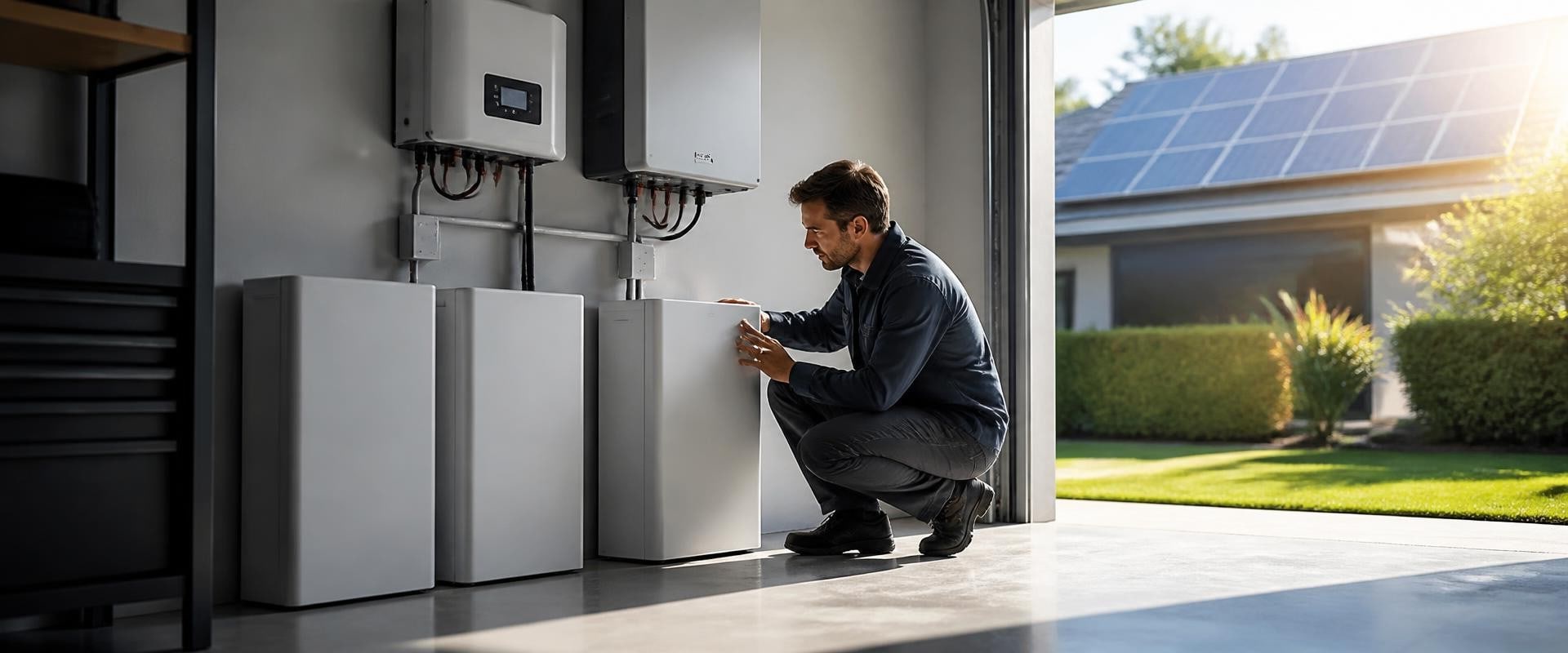
When it comes to solar energy systems, choosing the right battery is only part of the equation; the installation and maintenance of these batteries are crucial for ensuring their longevity and efficiency.As highlighted by San Diego Solar News, the growing importance of battery storage in solar energy systems necessitates a keen understanding of these aspects. First and foremost, proper installation is vital. Batteries should be installed in a location that is dry, cool, and well-ventilated. Extreme temperatures can negatively impact battery performance and lifespan. Additionally, it's essential to ensure that the installation complies with local codes and manufacturer guidelines.
Engaging a qualified professional for the installation process can help avoid potential pitfalls that could arise from improper setup. Once installed, regular maintenance becomes paramount. This includes periodic checks of battery connections to ensure they are tight and free from corrosion. Monitoring the battery's state of charge is also essential; keeping batteries at optimal charge levels can significantly extend their lifespan. Many modern batteries come equipped with monitoring systems that provide real-time data on performance, allowing homeowners to make informed decisions about maintenance. Furthermore, it is advisable to keep an eye on the surrounding environment where the batteries are located.
Keeping the area clean and free from debris can prevent accidental damage or overheating. In addition, updating software for smart batteries can enhance functionality and efficiency. In summary, effective installation and diligent maintenance practices will ensure that your solar battery system operates efficiently and lasts as long as possible. For more insights into battery storage solutions in San Diego, visit San Diego Solar News, where you can stay informed about the latest trends and best practices in solar energy.
Understanding Battery Types for Solar Systems
As the integration of solar energy systems continues to grow, particularly in regions like San Diego, selecting the right battery storage solution has become essential.San Diego Solar News
provides valuable insights into this evolving landscape, helping homeowners and businesses make informed decisions about their energy storage options.Understanding the different types of batteries available for solar energy systems is crucial to maximizing efficiency and ensuring reliability. There are several battery types that are commonly used in solar energy systems, each with its own advantages and disadvantages:1.Lead-Acid Batteries: These are among the oldest and most established battery technologies available. They are relatively inexpensive and widely used for off-grid solar applications. Lead-acid batteries come in two main types: flooded and sealed (AGM or gel). While they have a lower energy density and shorter lifespan compared to newer technologies, their affordability makes them an attractive option for many homeowners.
2.Lithium-Ion Batteries:
Gaining popularity in recent years, lithium-ion batteries are known for their high energy density, longer lifespan, and faster charging capabilities.They are more expensive than lead-acid batteries but offer greater efficiency and performance. Lithium-ion batteries have become the preferred choice for many solar energy systems due to their ability to handle deep discharges and maintain a consistent output over time.
3.Nickel-Cadmium Batteries:
Although less common for residential use, nickel-cadmium batteries can be used in specific solar applications. They offer excellent performance in extreme temperatures and have a long cycle life. However, they are more expensive and have environmental concerns regarding cadmium disposal.4.Flow Batteries:
Flow batteries are a newer technology that allows for large-scale energy storage.They consist of two electrolyte solutions separated by a membrane, which enables them to store energy as chemical potential. Flow batteries can be easily scaled up for larger applications, making them suitable for commercial solar projects. However, they are currently less common in residential systems due to higher costs. When selecting a battery for your solar system, it’s essential to consider factors such as capacity, depth of discharge, cycle life, and warranty terms. By understanding the various battery types available, homeowners can make informed choices that align with their energy needs and budget. For ongoing updates on battery technology and solar trends, San Diego Solar News remains a key resource for those looking to stay ahead in the ever-evolving solar energy landscape. In conclusion, selecting the right battery for your solar energy system is a multifaceted process that requires careful consideration of various factors.
Understanding battery types is crucial, as different technologies offer unique advantages and limitations. Assessing your energy needs ensures that the chosen battery can adequately support your household or business requirements. Additionally, keeping abreast of local incentives and policies can significantly influence your decision, as these factors can affect both the initial investment and long-term savings. Installation and maintenance are also critical components that should not be overlooked, as they can impact the overall efficiency and longevity of your battery system. Resources like San Diego Solar News provide valuable insights into these evolving areas, helping you navigate the complexities of battery selection amidst changing technology and policy landscapes.
Staying informed through such platforms allows homeowners and businesses in San Diego to make educated choices, ensuring their solar energy systems are optimized for performance and cost-effectiveness.