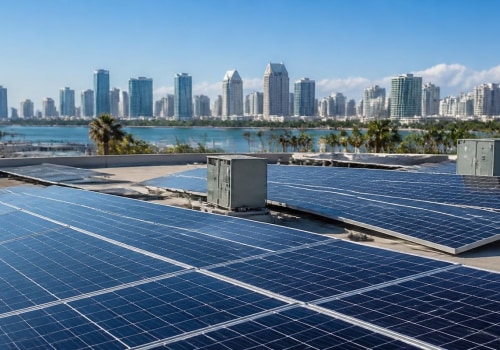
As the solar energy landscape continues to evolve, homeowners in San Diego are increasingly looking for ways to make their investments more affordable. At San Diego Solar News, we understand the importance of maximizing financial benefits associated with solar installations, and one of the most significant ways to achieve this is through tax deductions. In this article, we will delve into the intricacies of tax deductions for solar installations, providing you with essential information that can help lighten your financial burden while contributing to a more sustainable future. Additionally, understanding utilities and maintenance costs in San Diego can further enhance your savings. With the rising popularity of solar energy in San Diego, many homeowners are taking advantage of both state and federal incentives designed to promote clean energy adoption. As the solar energy landscape continues to evolve, homeowners in San Diego are increasingly looking for ways to make their investments more affordable. At San Diego Solar News, we understand the importance of maximizing financial benefits associated with solar installations, and one of the most significant ways to achieve this is through tax deductions. In this article, we will delve into the intricacies of tax deductions for solar installations, providing you with essential information that can help lighten your financial burden while contributing to a more sustainable future. Additionally, understanding utilities and maintenance costs in San Diego can further enhance your savings. With the rising popularity of solar energy in San Diego, many homeowners are taking advantage of both state and federal incentives designed to promote clean energy adoption. are increasingly looking for ways to make their investments more affordable. At San Diego Solar News, we understand the importance of maximizing financial benefits associated with solar installations, and one of the most significant ways to achieve this is through tax deductions. In this article, we will delve into the intricacies of tax deductions for solar installations, providing you with essential information that can help lighten your financial burden while contributing to a more sustainable future. Additionally, understanding utilities and maintenance costs in San Diego can further enhance your savings. With the rising popularity of solar energy in San Diego, many homeowners are taking advantage of both state and federal incentives designed to promote clean energy adoption. As the solar energy landscape continues to evolve, homeowners in San Diego are increasingly looking for ways to make their investments more affordable. At San Diego Solar News, we understand the importance of maximizing financial benefits associated with solar installations, and one of the most significant ways to achieve this is through tax deductions. In this article, we will delve into the intricacies of tax deductions for solar installations, providing you with essential information that can help lighten your financial burden while contributing to a more sustainable future. Additionally, understanding utilities and maintenance costs in San Diego can further enhance your savings. With the rising popularity of solar energy in San Diego, many homeowners are taking advantage of both state and federal incentives designed to promote clean energy adoption.
Understanding these tax deductions not only allows you to capitalize on potential savings but also empowers you to make informed decisions about your solar energy options. Join us as we explore the various tax benefits available for solar installations, ensuring you have the knowledge needed to navigate this complex landscape confidently. Whether you are a first-time buyer or considering upgrading your existing system, this guide aims to equip you with valuable insights that enhance your solar experience. In recent years, the importance of solar energy has grown significantly in San Diego, driven by a combination of environmental awareness and economic incentives. Homeowners and businesses are increasingly turning to solar installations as a sustainable solution to their energy needs.
One valuable resource for navigating these changes is San Diego Solar News, which provides up-to-date information on tax deductions and other incentives related to solar energy. Understanding these tax deductions is crucial as they play a pivotal role in making solar energy more accessible and affordable for residents and businesses alike. Currently, one of the most significant federal tax incentives available for solar installations is the Investment Tax Credit (ITC). This program allows homeowners to deduct a substantial percentage of the cost of their solar installation from their federal taxes. As of 2023, the ITC offers a generous credit of 30% on the total installation costs.
This means that if your solar system costs $20,000, you could receive a tax credit of $6,000, significantly reducing your upfront investment. This incentive has been instrumental in driving the growth of solar energy adoption across the country. While the federal ITC is a major benefit, it is essential to consider state-specific incentives that may complement or differ from federal offerings. In California, various programs exist to encourage solar adoption, including rebates and grants for specific projects. The California Solar Initiative (CSI) offers cash rebates for solar installations, although these funds can vary based on the utility district.
Additionally, some local governments in San Diego may provide additional incentives aimed at promoting renewable energy use. An important aspect of financial returns for solar energy users in California is net metering. This policy allows homeowners with solar systems to sell excess electricity generated back to the grid at retail rates. In California, net metering policies have been favorable, providing an excellent opportunity for solar users to offset their energy costs further. It is crucial for potential buyers to understand how net metering can impact their overall savings and return on investment. Battery storage options are also becoming increasingly relevant in the discussion of solar energy systems.
With advancements in technology, battery storage systems can store excess energy generated during the day for use at night or during peak demand hours. Some programs offer rebates or incentives for installing battery storage systems, enhancing the efficiency and cost-effectiveness of solar installations. These systems can further maximize savings by enabling homeowners to rely less on grid electricity and potentially taking advantage of time-of-use rates. Recent news updates indicate that there have been discussions around changes to both federal and state policies that could affect incentives for potential solar buyers in San Diego. For instance, there are proposals to extend the ITC beyond its current timeline or modify net metering arrangements.
Keeping abreast of these developments is vital for informed decision-making as they could influence the financial viability of installing solar systems. The tax deductions available can significantly reduce the upfront costs associated with solar installations, making them much more attractive to potential buyers. By leveraging both federal and state incentives, homeowners can often find themselves paying less than half of their initial installation costs after tax credits and rebates are applied. However, some potential buyers may harbor misconceptions regarding the complexity of claiming these tax deductions. It’s important to clarify that while there may be forms and documentation required, many tax professionals are well-versed in navigating these incentives and can assist homeowners in ensuring they receive all eligible credits. In conclusion, understanding tax deductions for solar installations, including federal incentives like the ITC and state-specific programs, along with net metering policies and battery storage options, is crucial for anyone considering solar energy in San Diego.
Resources like San Diego Solar News provide valuable insights into these topics, helping consumers make informed decisions that align with their financial goals and sustainability objectives.
Battery Storage Options and Incentives
As the adoption of solar energy continues to grow in San Diego, homeowners are increasingly considering battery storage solutions to maximize their solar investment. These systems allow users to store excess energy generated during the day for use at night or during power outages, providing both energy independence and cost savings. San Diego Solar News serves as an invaluable resource for those looking to explore various battery storage options and the incentives available for their installation. Several battery storage solutions are currently available in San Diego, including popular options like the Tesla Powerwall, LG Chem RESU, and Sonnen Eco. These systems vary in capacity, efficiency, and cost, making it essential for homeowners to assess their energy needs before making a decision.In addition to the benefits of energy storage, California offers several rebates and incentives to encourage the adoption of these technologies. Programs such as the Self-Generation Incentive Program (SGIP) provide financial incentives for customers who install battery storage systems, helping to offset installation costs. Moreover, local utility companies often have additional programs that support battery storage initiatives. By staying informed through resources like San Diego Solar News, residents can navigate these opportunities effectively and make well-informed decisions regarding their solar energy systems.
Federal Tax Incentives for Solar Energy
The federal government has established several incentives to promote the adoption of solar energy, with the Investment Tax Credit (ITC) being one of the most significant. This tax credit allows homeowners and businesses to deduct a substantial percentage of the cost of installing a solar energy system from their federal taxes.As of now, the ITC offers a credit of 26% for systems installed through 2022, which decreases to 22% in 2023 before potentially expiring for residential installations. This incentive is crucial for making solar energy more affordable and appealing to residents in San Diego, where the abundance of sunlight enhances the efficiency and effectiveness of solar installations. To qualify for the Investment Tax Credit, certain eligibility criteria must be met. Primarily, the property on which the solar system is installed must be located in the United States, and the system must be new or being used for the first time. Homeowners should also ensure that they own the solar system outright—leases or power purchase agreements (PPAs) typically do not qualify for this tax benefit.
Additionally, it’s essential for applicants to claim the credit in the year the installation is completed to fully benefit from the incentive. For more detailed information regarding these federal tax incentives and how they can specifically benefit you as a resident or business in San Diego, resources like San Diego Solar News can provide valuable insights and updates on any changes related to solar energy incentives.
State Incentives and Rebates
In addition to federal incentives, California offers a variety of state-level incentives and rebates that significantly enhance the financial benefits of solar installations for homeowners and businesses. Understanding these state offerings is essential for maximizing savings when transitioning to solar energy. One of the most notable programs is the California Solar Initiative (CSI), which provides cash rebates for residential and commercial solar installations. This program aims to reduce the cost of solar systems and encourages broader adoption of renewable energy across the state. While the CSI has evolved over the years, it has set the groundwork for ongoing state support for solar energy. Another critical component of California's solar incentives is the Net Energy Metering (NEM) policy.This allows solar system owners to receive credits on their utility bills for the excess energy they produce and send back to the grid. This policy not only enhances the financial viability of solar installations but also promotes a more sustainable energy ecosystem in California. The California Energy Commission also provides various programs and funding opportunities aimed at improving energy efficiency and renewable energy use, including specific initiatives for low-income households. These programs can help eligible homeowners access additional funding, making solar more affordable than ever. For those interested in staying updated on these incentives, San Diego Solar News serves as an excellent resource. It covers the latest changes and developments in solar incentives, ensuring that residents are well-informed about available programs and how to take advantage of them. Overall, leveraging both federal and state incentives can significantly offset the costs associated with solar installations, making renewable energy a viable option for many Californians.
Understanding Net Metering Policies
Net metering is a billing mechanism that allows homeowners and businesses with solar installations in California to receive credit for the excess electricity they generate and send back to the grid.This policy is particularly relevant in San Diego, where sunshine is abundant, making solar energy a viable option for many. By utilizing net metering, property owners can offset their utility costs, which significantly enhances the financial appeal of installing solar panels. As outlined by San Diego Solar News, understanding these policies is crucial for maximizing the benefits of your solar energy system. Under California’s net metering policy, customers are billed based on their net energy usage. If your solar system produces more energy than you consume during a billing period, the surplus energy is credited to your account.
This means that during times when your solar generation is low—such as at night—you can draw from these credits without incurring additional costs. This system not only promotes renewable energy use but also aids homeowners and businesses in reducing their overall energy expenses. The implications of net metering extend beyond individual savings; they also contribute to a more sustainable energy grid. By encouraging solar adoption, net metering helps reduce reliance on fossil fuels and supports California's ambitious climate goals. Moreover, as San Diego Solar News points out, staying informed about any potential changes to net metering policies is essential for homeowners and businesses considering solar installations, as these changes can directly impact financial returns on their investments. In conclusion, we have explored the crucial aspects of tax deductions for solar installations, including federal and state incentives, net metering policies, and options for battery storage.
Each of these elements plays a significant role in making solar energy more accessible and affordable for homeowners and businesses in San Diego. Staying informed is essential, and resources like San Diego Solar News provide valuable insights into the evolving landscape of solar energy incentives. By keeping up with the latest news and developments, you can make educated decisions about your solar installation and maximize your financial benefits. We encourage you to take advantage of these financial incentives as you consider your energy choices, ultimately contributing to a more sustainable future for our community.